Climbing, especially mountaineering, is inherently dangerous. There’s no way around it. Skilled climbers—much better than I will ever be—have made simple mistakes that cost them their lives. Even climbers who have conquered the most challenging routes in the Alps have slipped on an easy Munro they’ve climbed hundreds of times or found themselves in the wrong place at the wrong time. For me and many others, however, climbing is worth some of that risk. We draw an imaginary line, creating a perceived safety net for when conditions shift from relatively safe—akin to the risk of driving a car—to extremely dangerous. We place this line where we feel comfortable and convince ourselves that the risk is justified. So far, for my friends and me, this gamble has turned out in our favor.
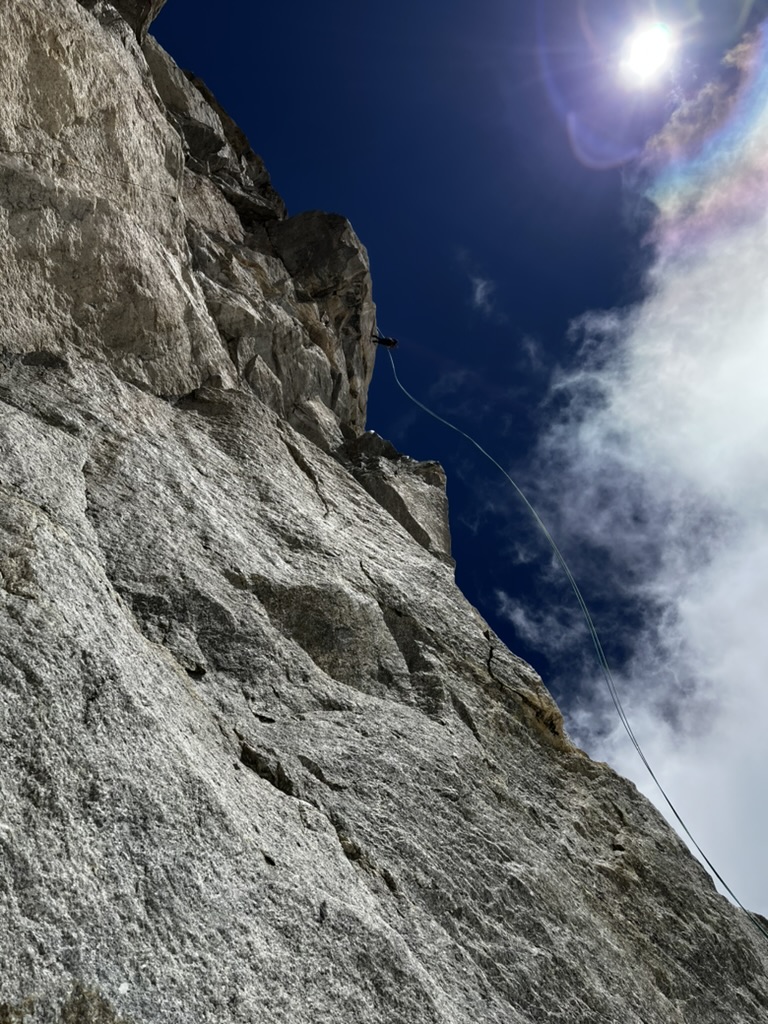
But this line – this line of risk, how is it positioned? Things that seemed unthinkable not so long ago now seem like viable routes to attempt. True, some of this is an increase in skill: a significant portion of the danger is subjective, and whilst anyone can and does make mistakes, being a better and more experienced climber means your far less likely to, but I wonder how much of it is survivor’s bias? If you do the wrong thing when you go out climbing, most of the time you’ll get away with it. It is the great cruelty of the sport that when it offers you feedback on what you are doing wrong, it is normally in the form of a grave injury or a fatality.
I’ve been lucky enough to never see an accident with my own eyes, but not so long ago, on a climbing trip I was involved with, I was calling mountain rescue for a young university student from another club who had just seen their climbing partner fall fatally during a descent. The students were new to multipitch climbing and were on a confusing descent route at night: they did nothing wrong and 99 times out of 100, would have realised that they were going the wrong way, but tragically, one slipped at the wrong time, and the mountains taught a fatal lesson. The young climbing partner’s voice on the phone was something I’ll never forget – it was animalistic, visceral, heartbreaking. What made it all the worse is this was meant to be a safe holiday for these folk – it’s not the Alps or the Himalayas, but somewhere you expect to rarely even be scared, let alone have an accident. The mountains were unspeakably cruel, but they did teach many of us a lesson that day – no route is ever worth dying for, and any route can prove fatal.
Following that logic, no one should ever go climbing again, but I still do. The benefits, the joy, and the freedom are “worth it” a lot of the time. When does a route become too dangerous? Where does one draw this imaginary line of risk that we aren’t willing to cross?. Climbing is such a powerfully emotional sport that much of the perceived risk comes from the heart, and not the head, the gut instinct of “never me” and “we’ve always been alright” can so easily overpower logic, especially with fickle conditions, short trips, and big dream routes. I’m lucky in that I’m a coward – I always imagine the worse that could happen and this gives me some buffer of safety, but I know that in reality, the wrong (or right) heuristics, the right group, psyche, and a bit of bravado could easily sway where that line is drawn, push me to get on something which is more dangerous than I’m happy to accept. How do you approach things more objectively?
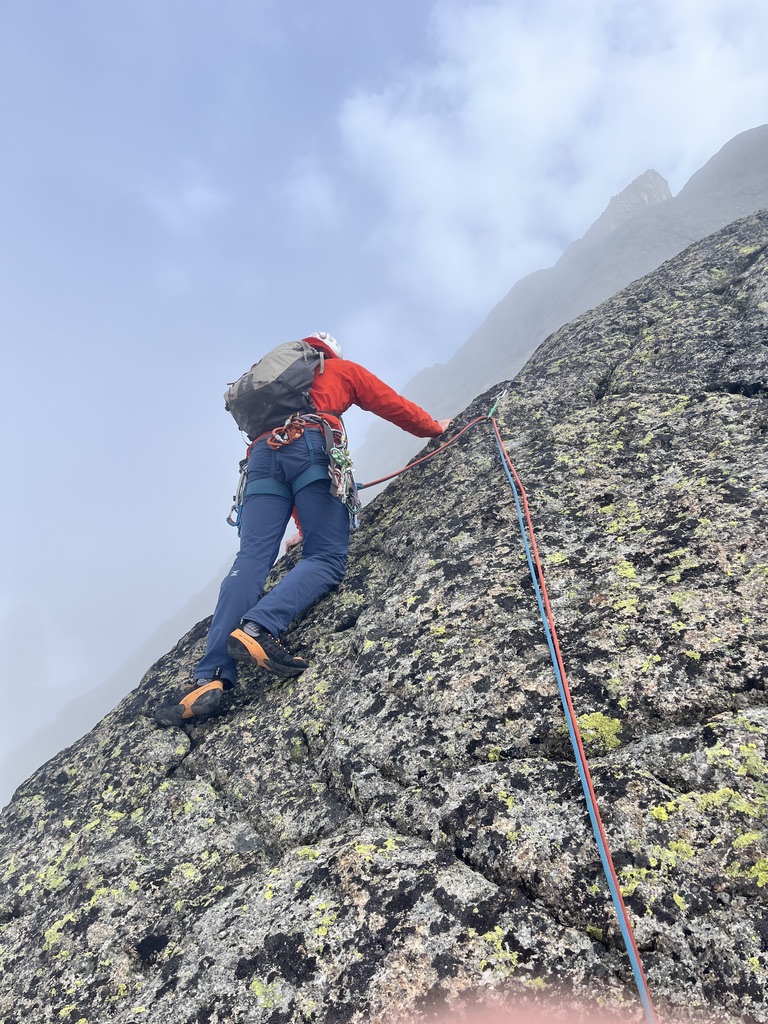
I honestly don’t know. I try my best – I set rules (I use driving as a benchmark – I like my climbing to be objectively safer than driving 99% of the time), I think hard, and I’m cautious, but I know it’s not perfect. As I do more, I expect it gets easier to work out where that line is, where to say no, and what to say yes to. Confidence helps. To be at a point where the need to prove yourself has gone, in my eyes, is perhaps the biggest step in a safe mindset (and perhaps one of the biggest reasons University clubs are so dangerous).
And I think University clubs are by far the worst for it as people have only been climbing for a few years and generally have been lucky enough to get away with a lot. Not many people have seen, or even known, of a friend dying in the mountains (myself included). Death and accidents aren’t real until they happen to someone you know. Kudos, respect, and “coolness” are given to pushing it, often too far – emphasis is put on grades and sends rather than safety and style. Young men (sadly, the mountaineering world is still male-dominated, but that is starting to change) are insecure and want to prove themselves.
Where does this leave it all? What is the point of this post? It’s an acknowledgement that climbing, and especially mountaineering, is dangerous. It’s a commitment to safety: “better one more piton than one less climber” is a quote to live by. I feel amongst young climbers, the seriousness of our decisions isn’t something we talk about often enough – I know it’s difficult for me to grasp the fact that a poor choice might not just be inconvenient, it could be fatal. And finally, a request to the handful of climbers who read my blog, if anything I said resonated, let’s keep talking about it. Accidents will always happen in climbing – there are things we can’t control at all like rockfall, seracs, or just plane bad luck. If we do things like (respectfully) calling out your mate who doesn’t test the tat they ab off, being open about our own mistakes and sharing them, so others can learn, and genuinely making an effort to give as much (no, more) kudos to those who make a safe choice in bailing then those who send and “get away with it”, then maybe we can stop an accident.
To end, Whymper put it far better than I ever could.
“Climb if you will, but remember that courage and strength are nought without prudence, and that a momentary negligence may destroy the happiness of a lifetime. Do nothing in haste; look well to each step; and from the beginning think what may be the end.”
Climb safe.
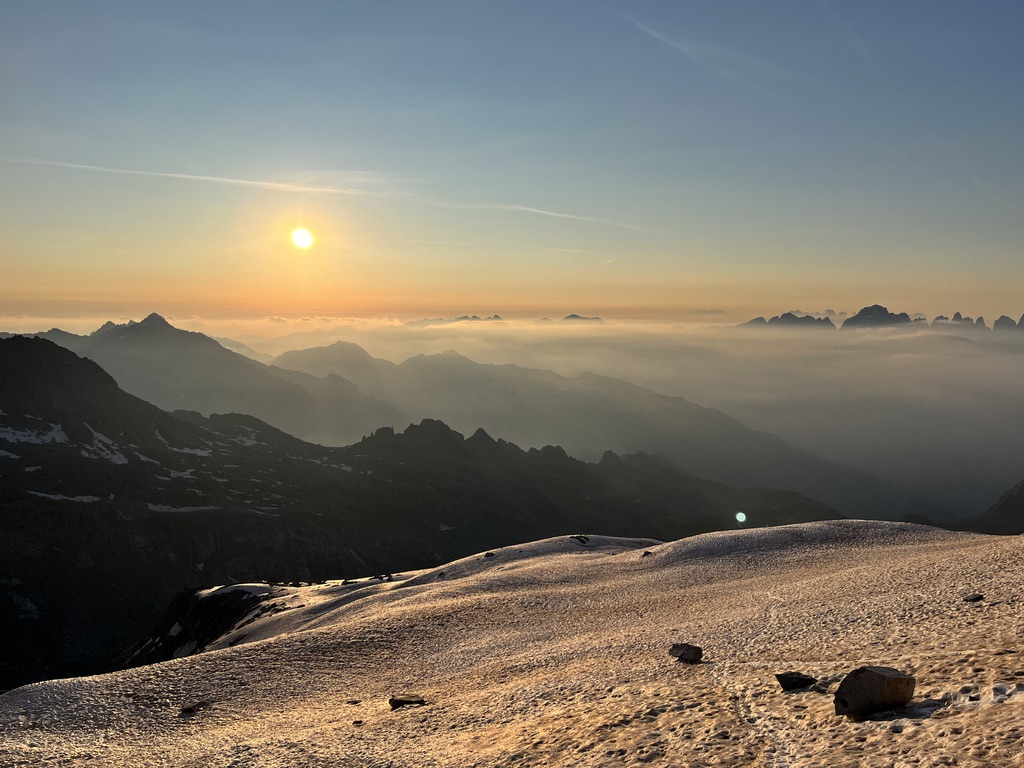
I wrote this post a few days ago – today (the day I post) – we bailed off a route. Bold and serious climbing and being ill don’t go well in hand, and with a few years of experience behind us, it was nice to be able to happily make a safe decision that would not have been so easy to make some years ago.

 Oscar Outdoors