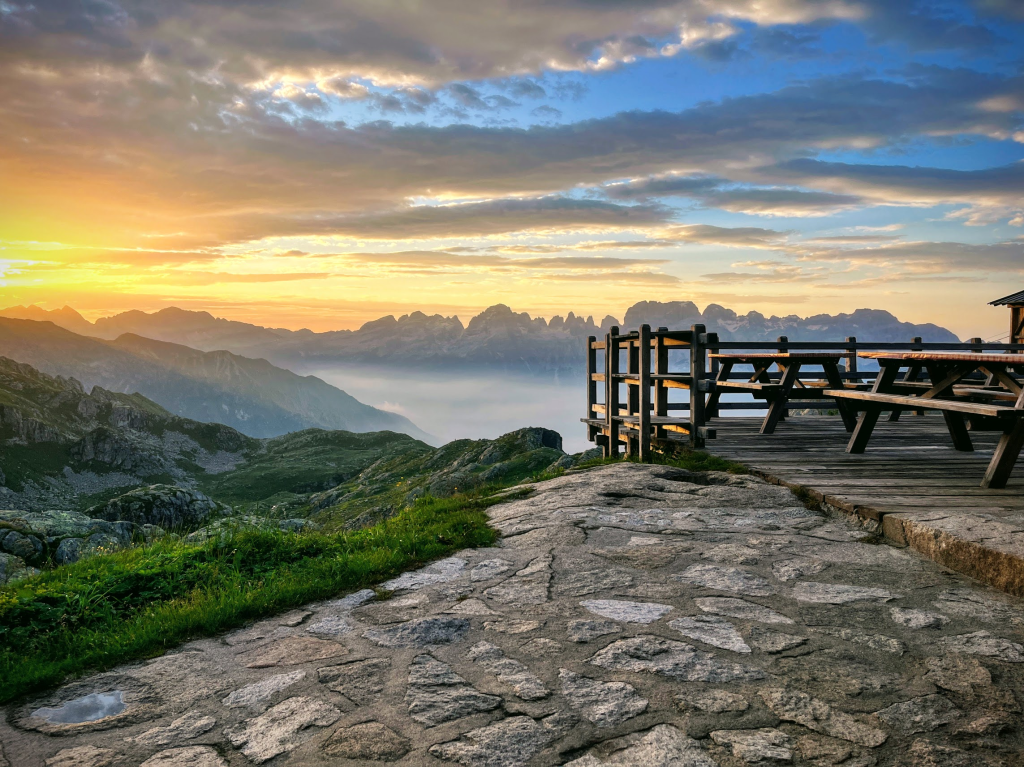
An Ode to the Young Scot Card

I remember the joy at realising I could get to the Cairngorms for free (well…a £2 booking fee). Suddenly, I could access many of the finest mountains in the country for less than the price of a pint: from Ben Nevis to Brarieach, the world was my oyster. During my degree, I’ve used the Young Scot card extensively to travel to some of the most beautiful places I’ve ever been. In this blog – I detail some general advice for getting the most out of your Young Scot card and some of my favourite bus-based adventures.
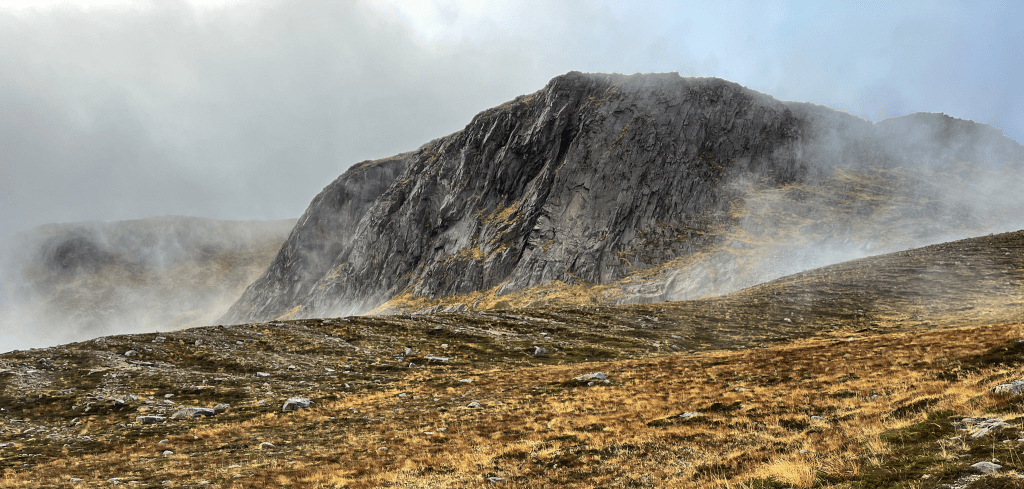
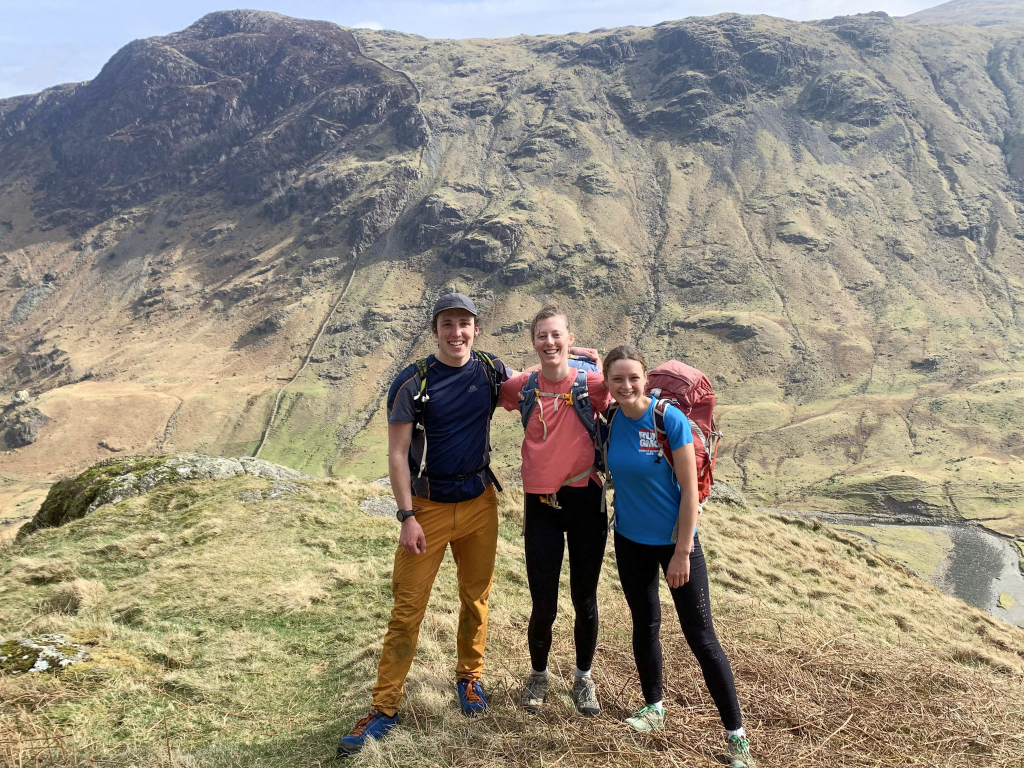
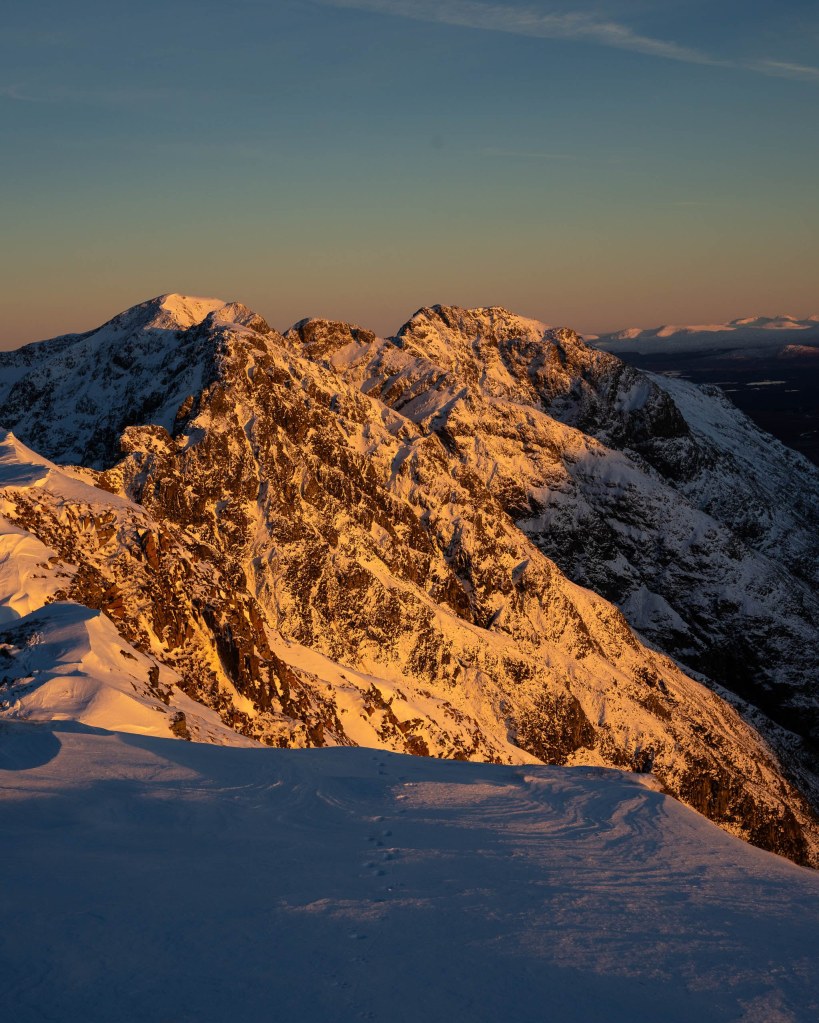
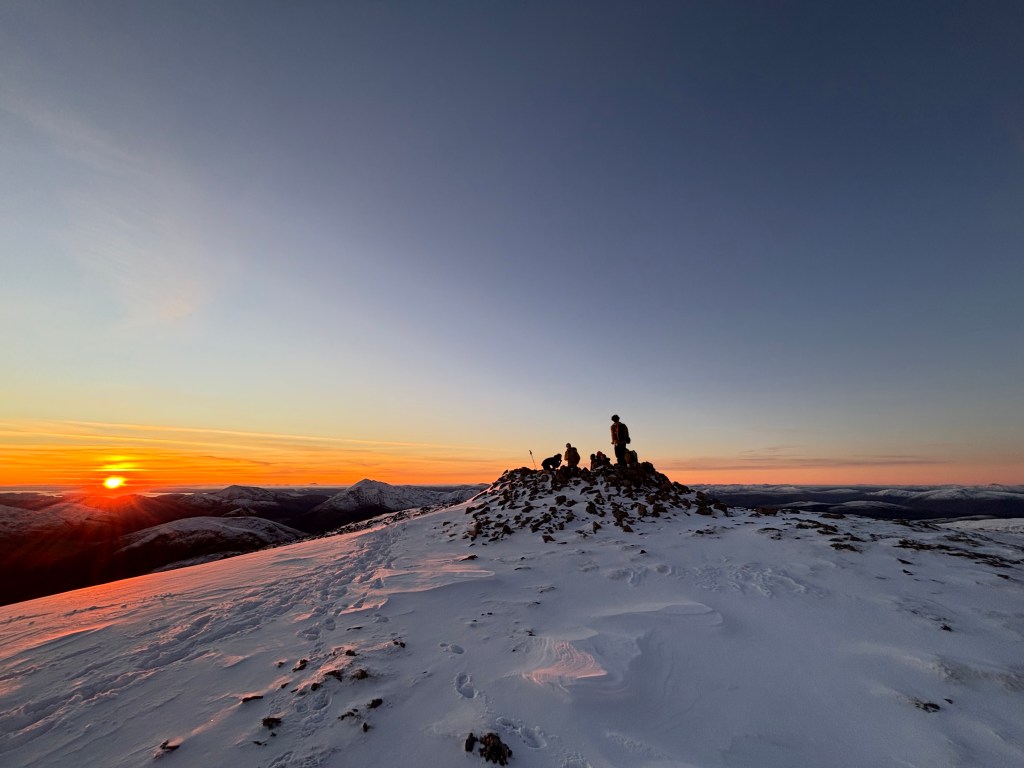
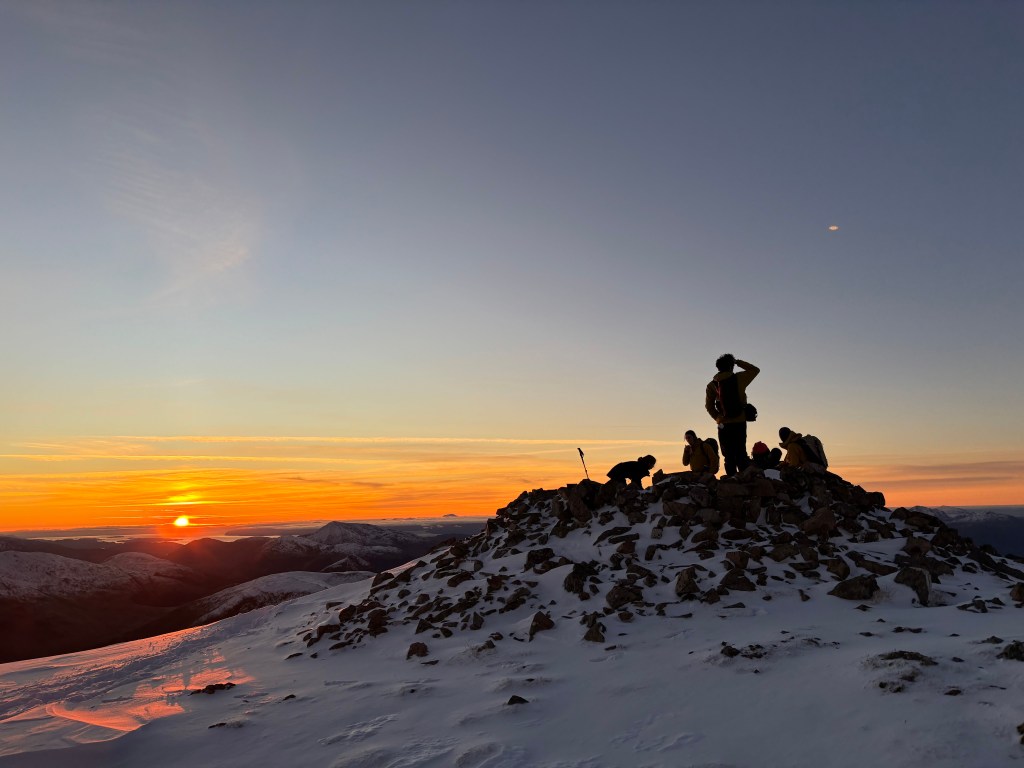
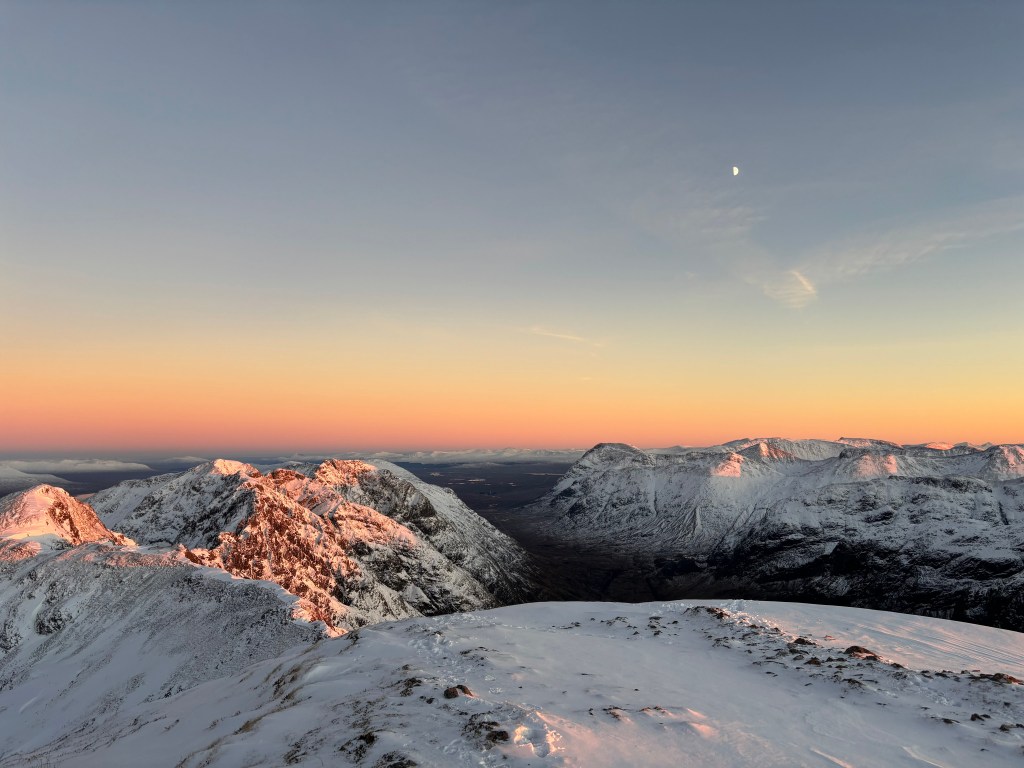
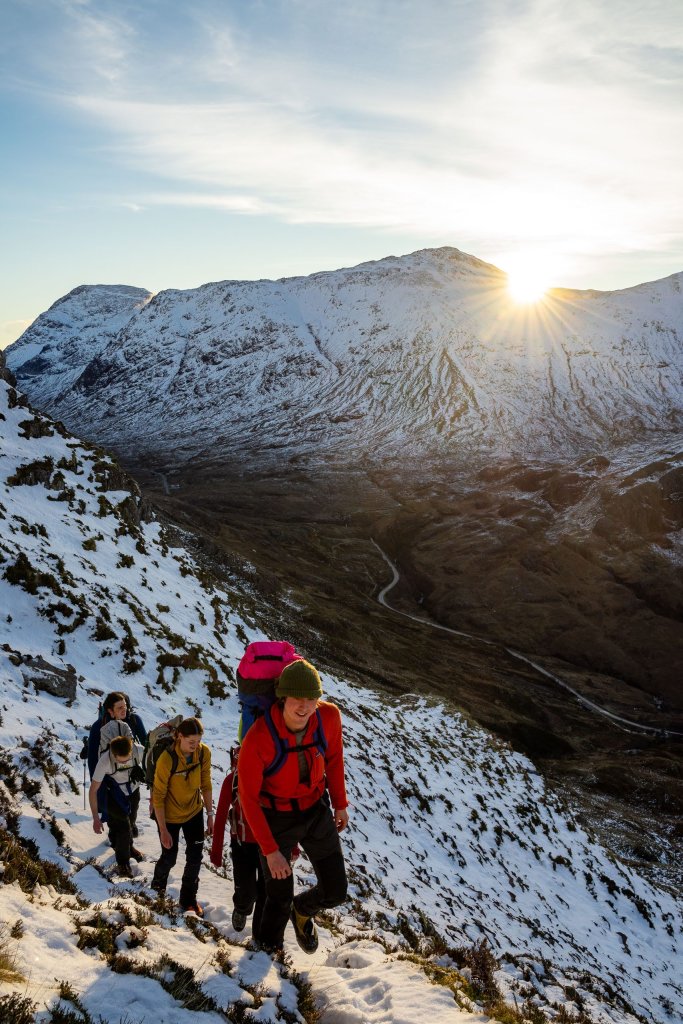
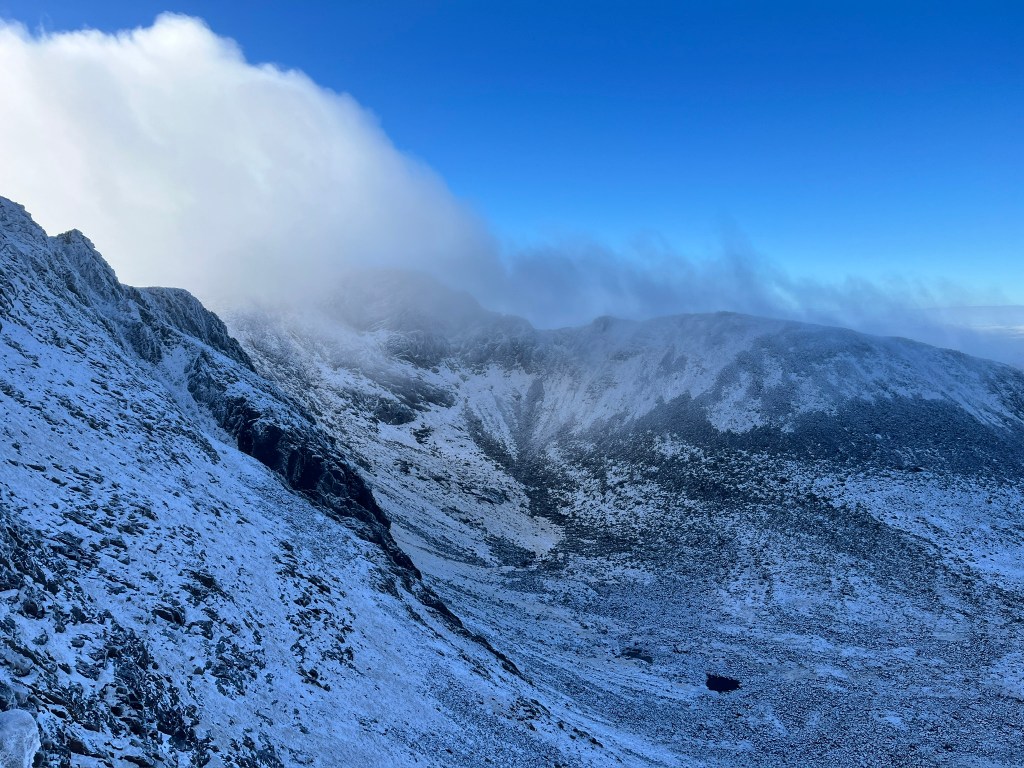
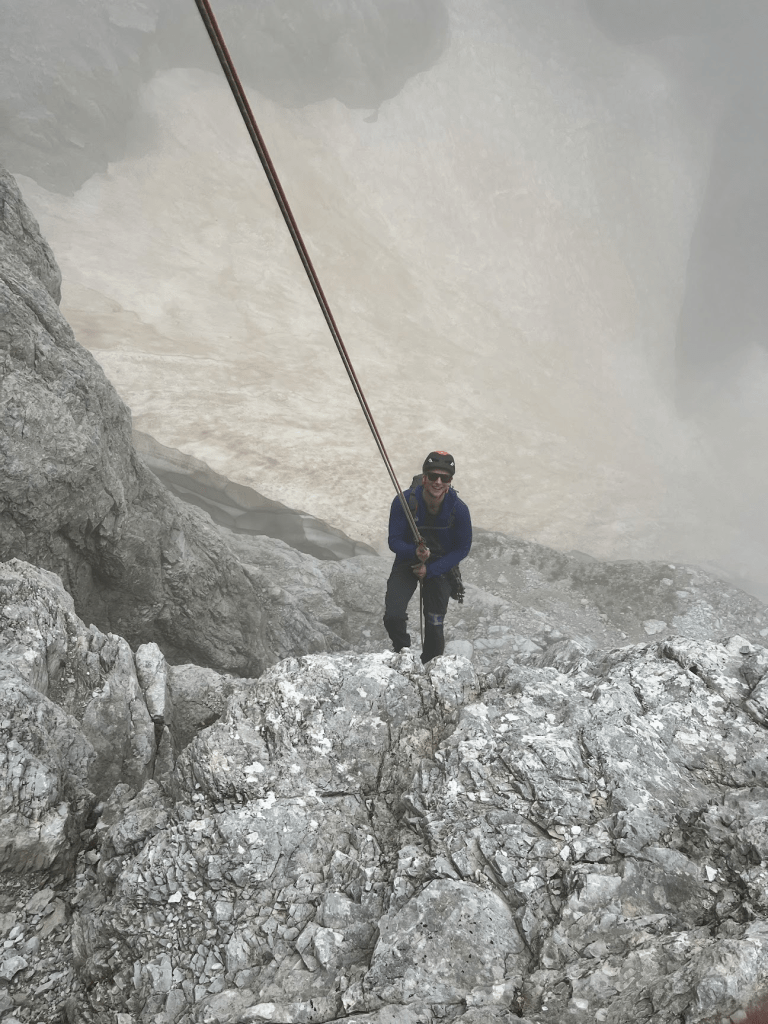
The Crimson Slabs – A favourite place, accessible for free to most uni students in Scotland

First: a bit of a political rant. Climbers and outdoorsy folk should take care of the environment and wild spaces better than any other: and yet we rack up more miles driving than pretty much anyone else. Obviously, this causes emissions, but crucially, it brings congestion and traffic noise to beautiful places. It forces the construction of large car parks, bigger roads, and general damage to sensitive environments. By making a conscious effort to use buses more: we can all help to look after the mountain we love so deeply.
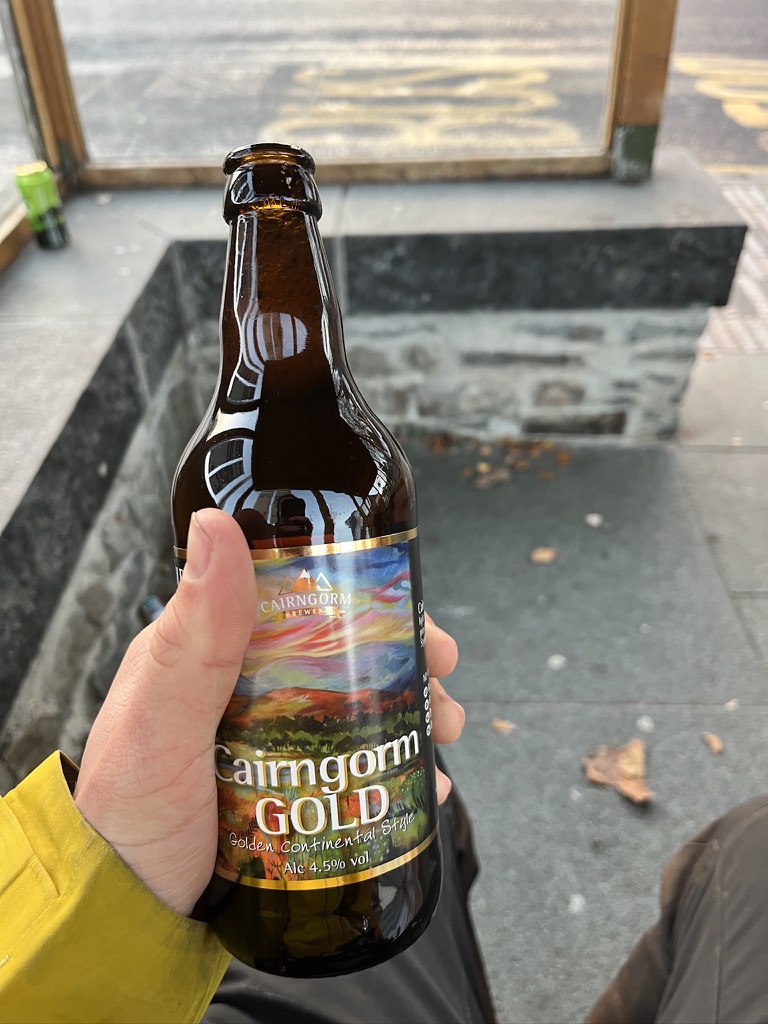
A pint can help soften the boredom of a long bus journey…

Bus Tips

So…here are my top tips for bus-based hill days.

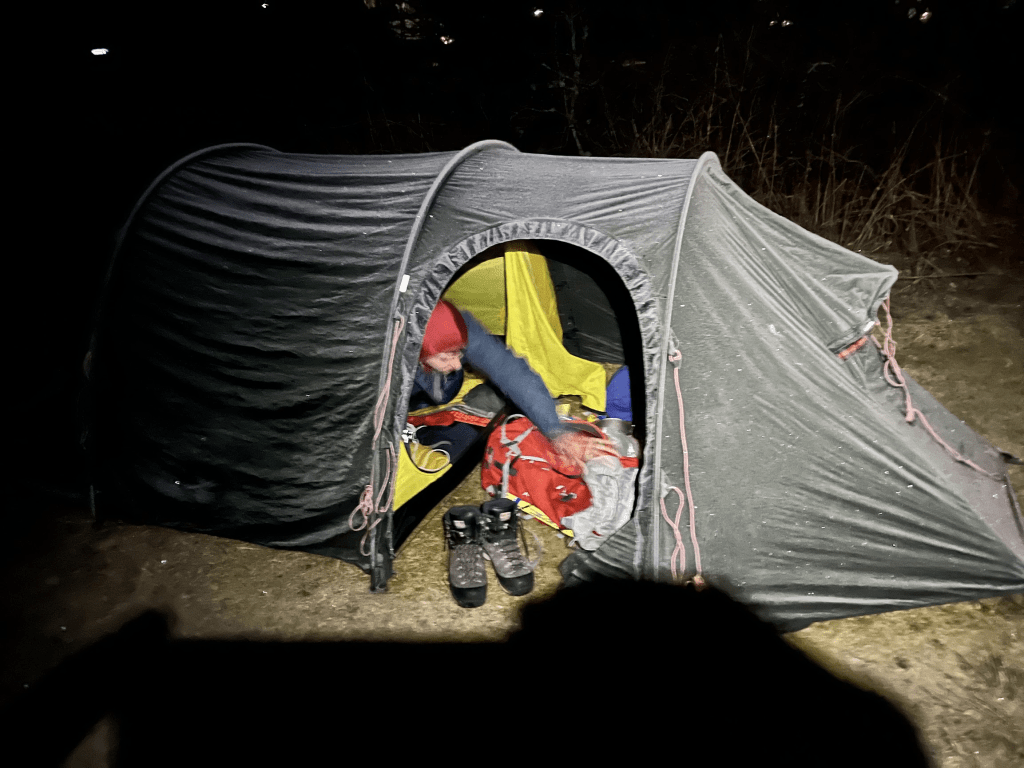
Firstly: be willing to spend nights out. Cars have encouraged people to do day trips: driving to or from their house or a hostel to do their climbing and hiking. This does make life easier: your bag is lighter, you can have a pint in the evening and warm up at home, or at the very least in campsite toliets. Awkward bus time-tables mean this often isn’t possible, forcing you to spend nights in the hills. Instead of seeing this as a disadvantage: this is surely one of the great pleasures of mountain life! Relish in the opportunity to spend a night with friends in a tent, bothy, or howff. Often, in these makeshift shelters, the best memories are forged and the most basic of luxuries become excellent. You can also often find campsites in the most unusual of place (those of you who know me well, know of my secret spot doss spot in Aviemore, a 10 minute walk from the centre) which will become favourite spots you visit time and time again.
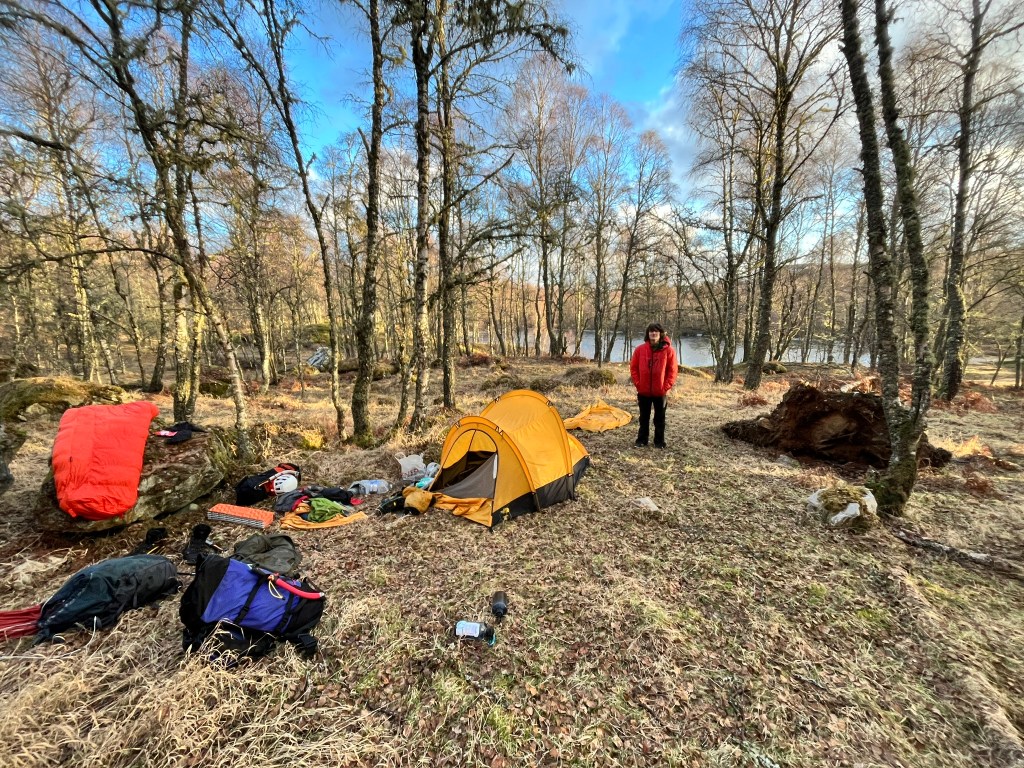
A lazy morning in camp. I’ve stayed in this woodland for perhaps 10 nights, and it’s just a 5-minute walk from the chip shop. Does anyone know where it is?

Next: be organised when you leave the house. This is particularly important when you are climbing. Extra bags, carrier bags, bits and bobs hanging off the outside are a pain to carry, make it hard to run for the train on that crucial connection and mean you are far more likely to lose something. If I’m winter climbing and camping out (surely as much kit as you’d ever need!), I’ll pack my winter climbing back completely, then I’ll have all my camping kit in a separate bag. This means, when I arrive at my chosen doss-spot late on Friday night, I don’t need to faff with sorting out climbing kit in the pissing rain and dark.
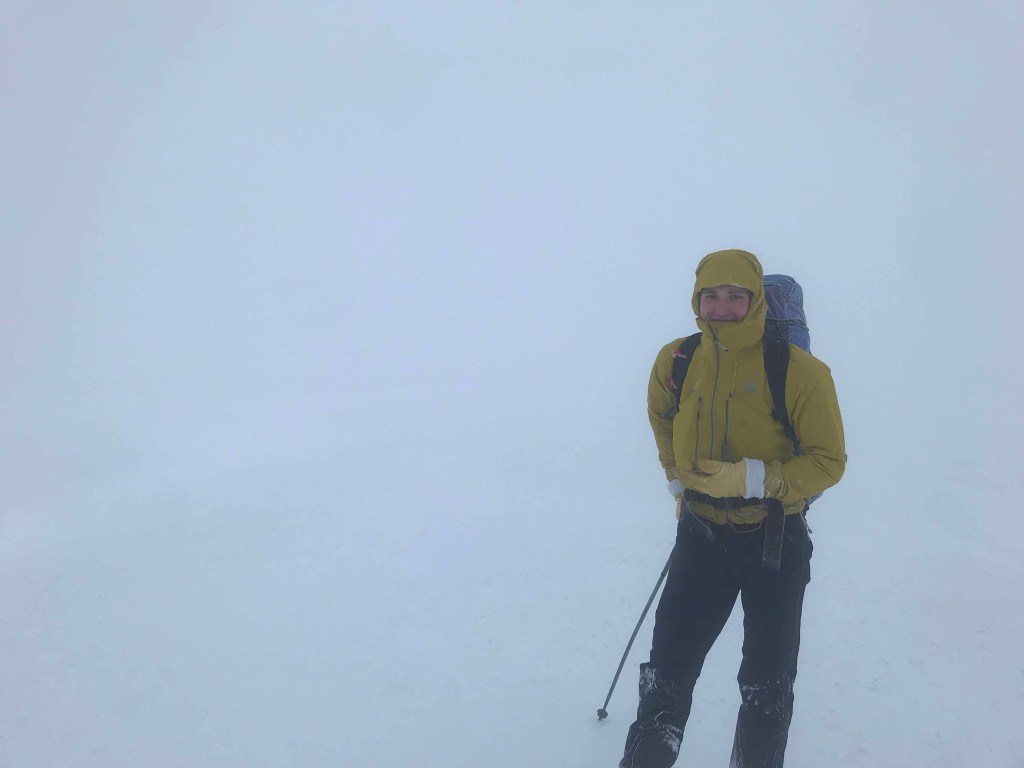
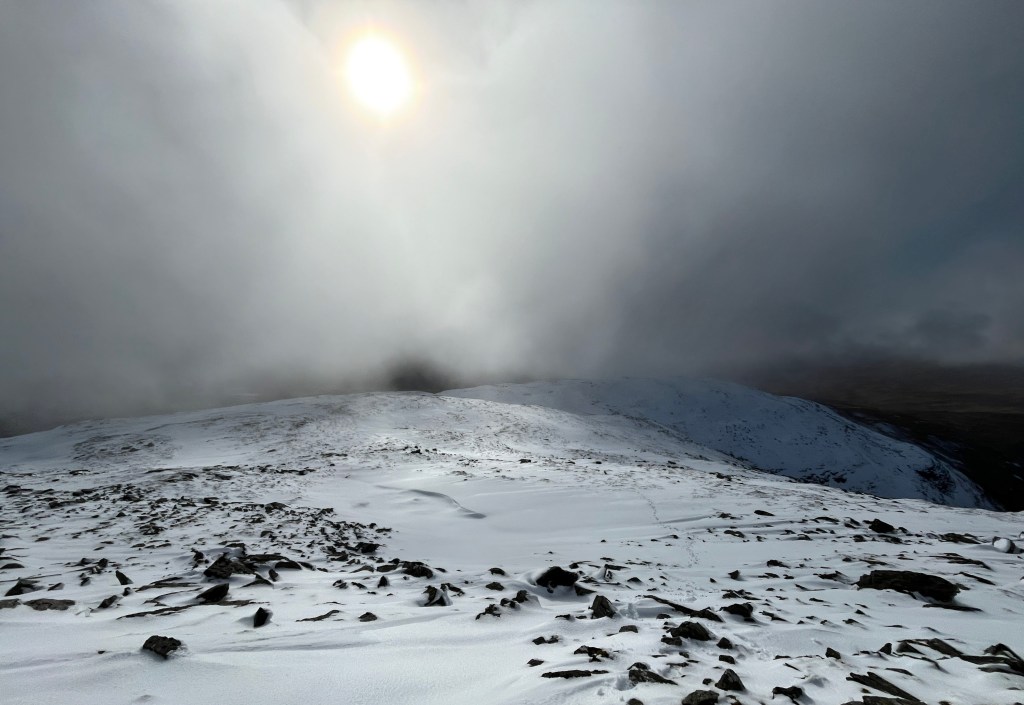
Being organised with your kit means you’ll be better prepared for conditions like this! Navigating carefully with Charlie in the whiteroom…

Learn to hitchhike effectively. Hitch-hiking is a great joy: you meet interesting people, and in the hundreds (and yes, I mean hundreds) of times I’ve hitch hiked in the UK and abroad, I’ve never once had a bad experience. I’ve always met interesting folk: from mountain guides to nurses, artists to the head of the Department of Physics at Milan University (who promptly began examining my knowledge of physics in what potentially ranks as my all time worst hitch) and never felt unsafe. Folk I know (men and women) have all had similarly positive experiences – but bare in mind it is easier to feel safe as a 6ft+ bloke with an ice axe than for a lot of other people out there, so use some common sense, and if something feels off, don’t be afraid to say no to a lift. Someone else will come along soon!
Smith. We got picked up and piled into the back of a pick-up truck. We drunk cokes and waved at tourists as we wizzed past them!

There are some basic principles to enhancing your chances at getting a quick lift. First: give people an obvious reason why you’re hitchhiking. For me, this is often as simple as having a climbing rope on the outside of the bag and holding it out in front. Most people who pick up hitchhikers are outdoorsy types, and are far more likely to feel comfortable letting you into their car than if they can see you’re a climber or hiker.
Could you say no to this man?

If things are getting desperate, approach people (politely) in the car park, especially folk who look like they’re the type to give folk a lift (and yes, there is a type). Be polite about it, but by being exceptionally friendly as you chat with them, they’re far more likely to give you a lift.

Choose somewhere easy for cars to stop – just in front of a layby works well. Make sure you’re visible for a while, and if cars are going in many directions, have a sign (find cardboard in a recycling bin!). All these steps reduce the effort required for drivers to stop for you, and will enhance the speed at which you can reach your destination.

Lastly: don’t get too demotivated. I’ve hard to wait hours for a hitch a few times, and it sucks getting driven by, especially if it is pissing it down with rain. Keep your chin up: these are the moments that become funny stories to tell to your mates at the pub.
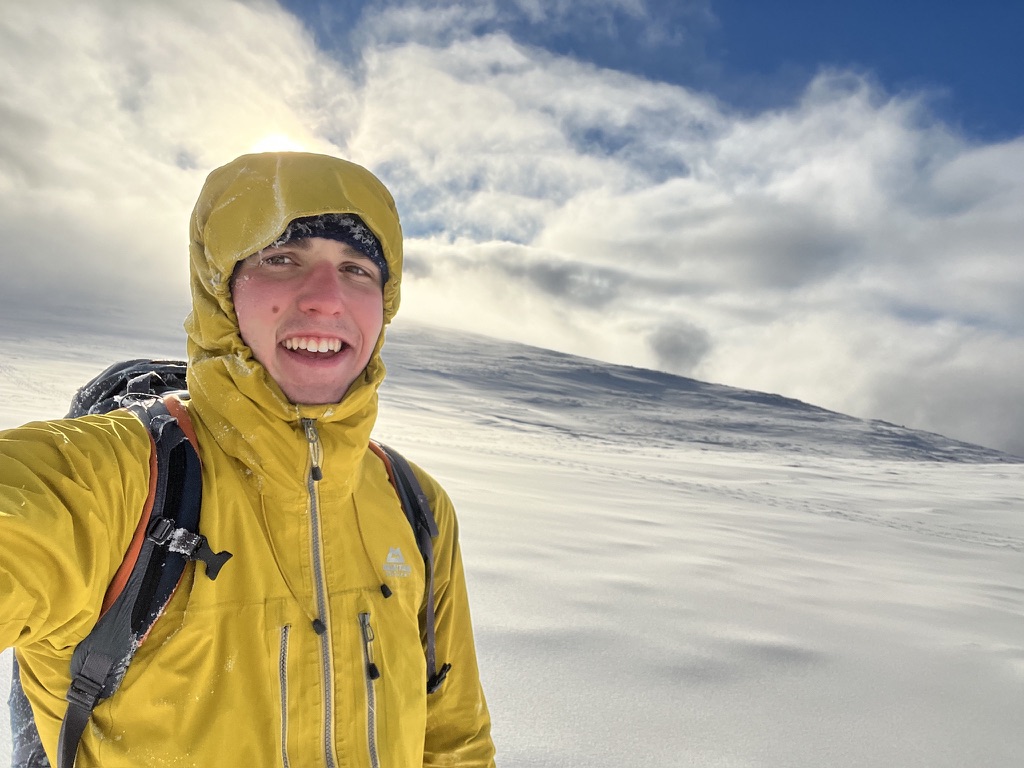
-10 and smiling. Grateful to the kind folk who picked me up that morning to allow me to get here, on a Wednesday when I really ought to have been studying.

Pack light, forgo the luxuries. You’ll need to carry your kit to the bus station, so sack off that extra down jacket you might not need. The pleasures to be gained in this minimalist strategy to travel are immense, and it has the added bonus that you have less to sort when you get back in at 1am on a Monday morning, with a quantum lecture in a few hours.

Bus Trips

Climbers seem the most reluctant of outdoorsy folk to embrace the bus lifestyle – and I’m honestly perplexed why. Here are the best bus (and general public transport) days out you can have in Scotland!

The Cairngorms

The plateau…my favourite place in Scotland. It is the holy grail for the bus-based traveller: providing straightforward and easy transport links from many cities in Scotland. The introduction of the Cairngorm explorer bus means you might not even need to hitchhike at all once you’re there! There are more hill days and routes here than I can shake a fist at.
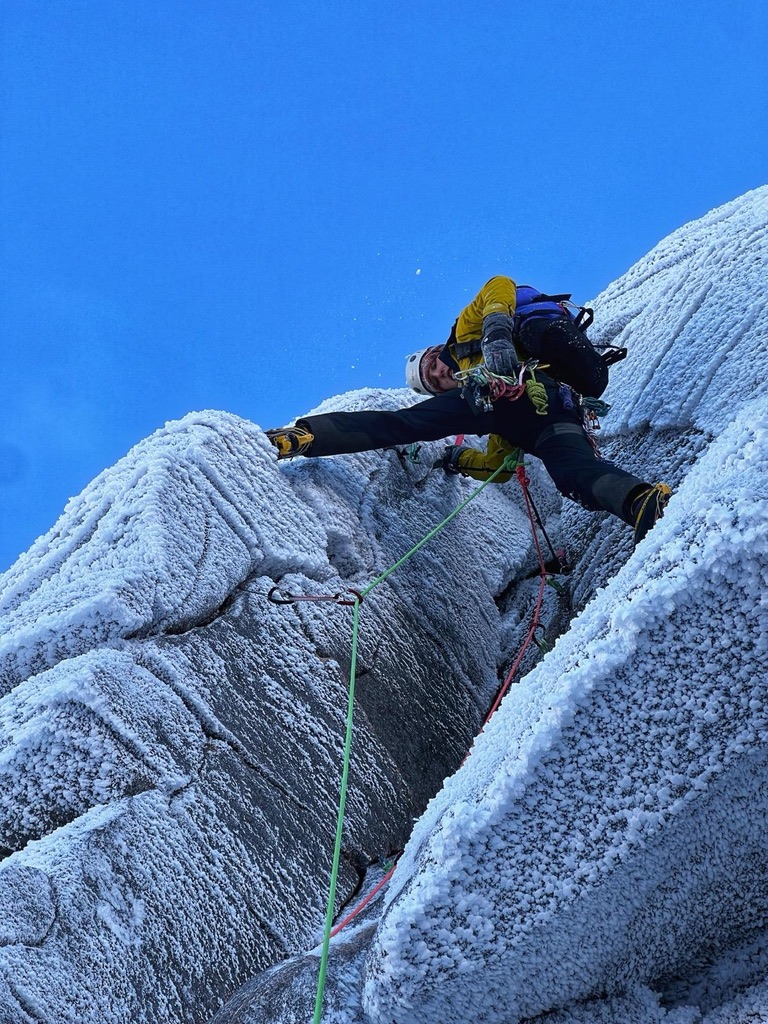
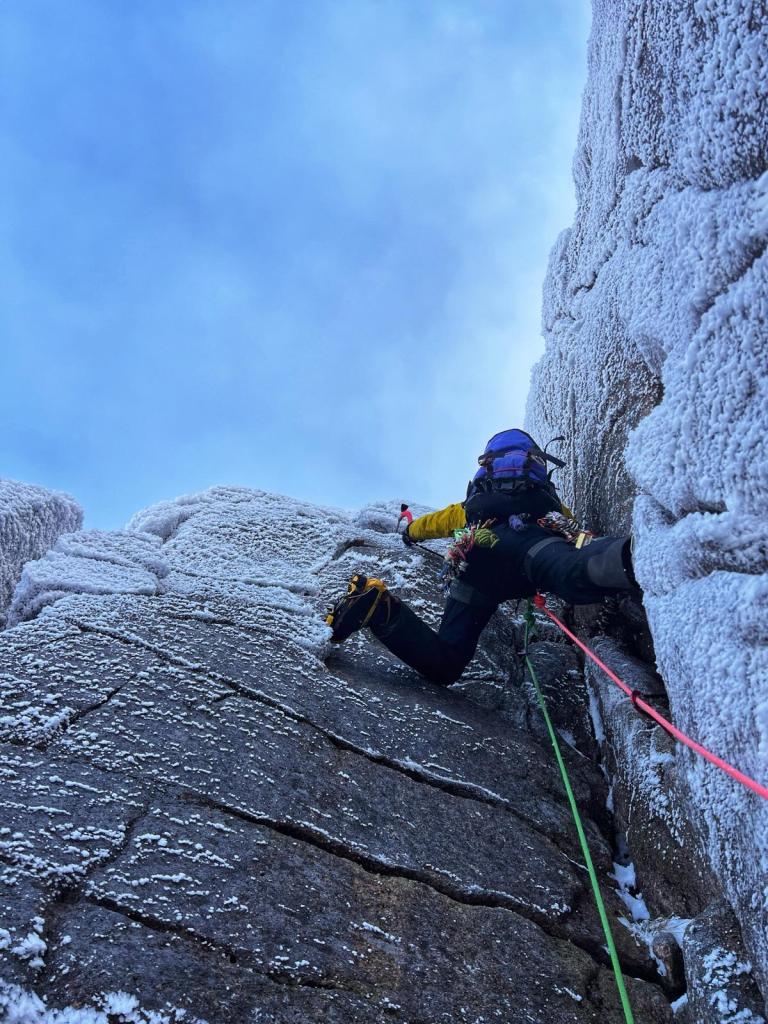
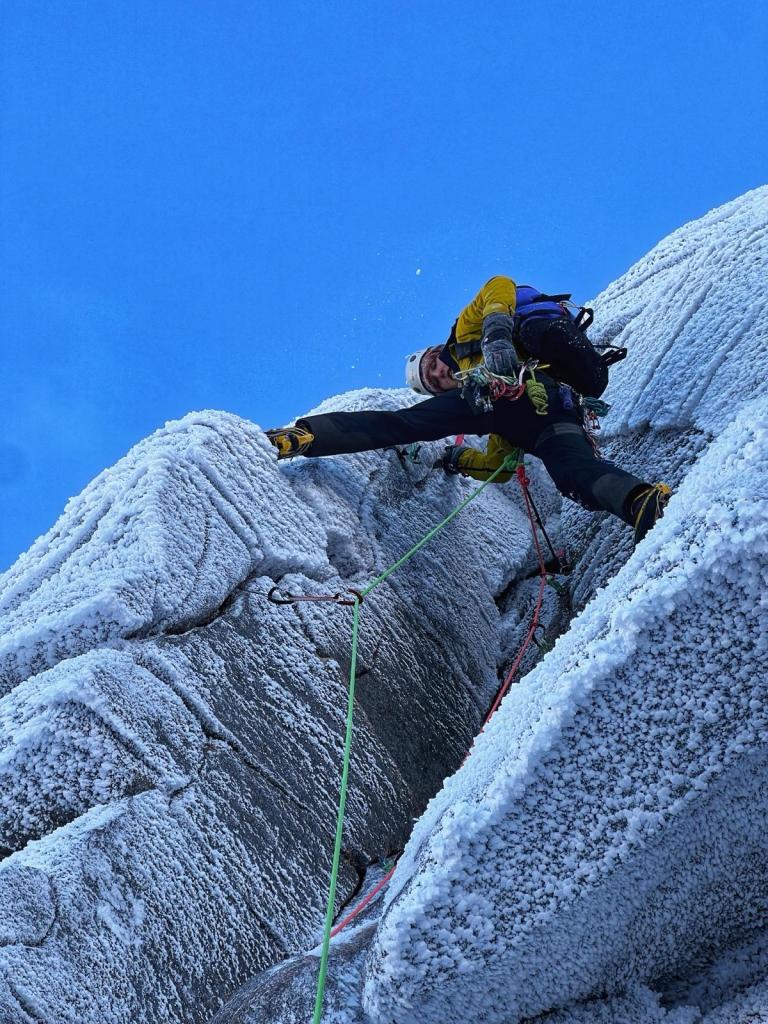
The fantastic final pitch of the Message

Some of my favourites include: The Message: an enjoyable mixed climb which is in fine condition after the first snows of the season, the Needle: a brilliant trad route up the finest cliff on the Plateau, and of course, any of the excellent hillwalks like this and this you can do from the ski centre.

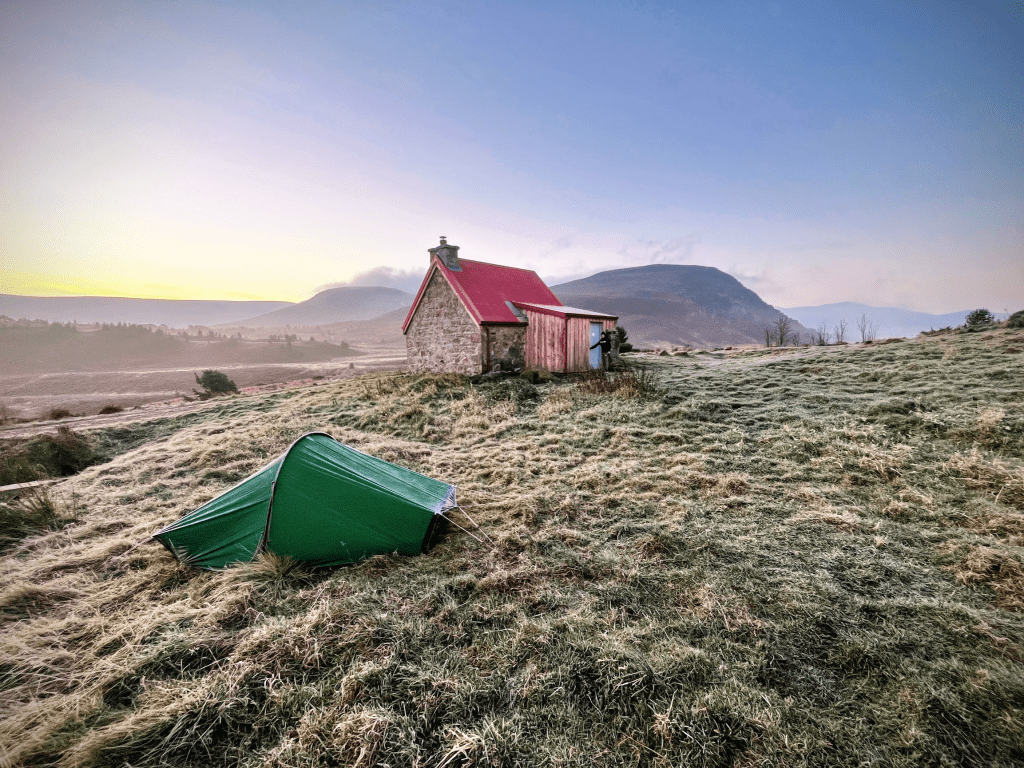
A morning at Ryovan

There are places you can pitch a tent between Aviemore and Glenmore and discretely camp in the woods, and the hitchhiking opportunities are excellent. A fine place to spend a weekend, a week, or a month!

Arran

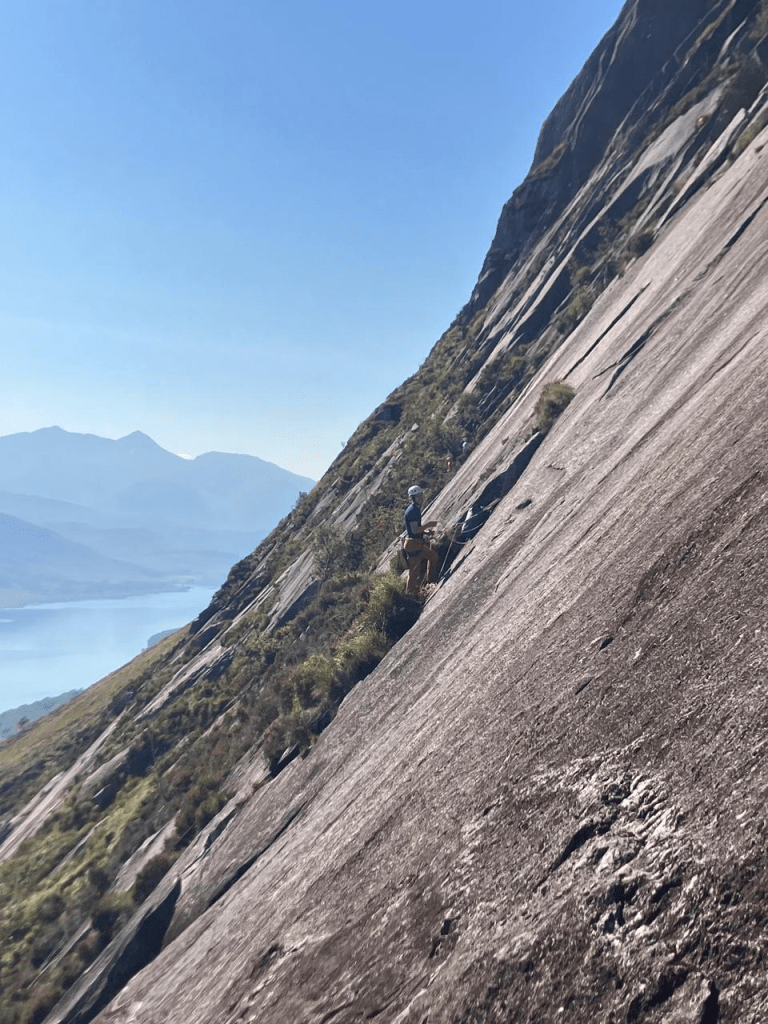
For years, I’ve been a fan of climbing on Granite. Arran is amongst the finest granite I’ve ever climbed, and is on par with mega-classic routes in Chamonix for providing enjoyable crack climbing. The routes South Ridge Direct, and West Flank Route, are genuinely excellent and make fine oppositions for the (H)VS and E1 leader respectively.
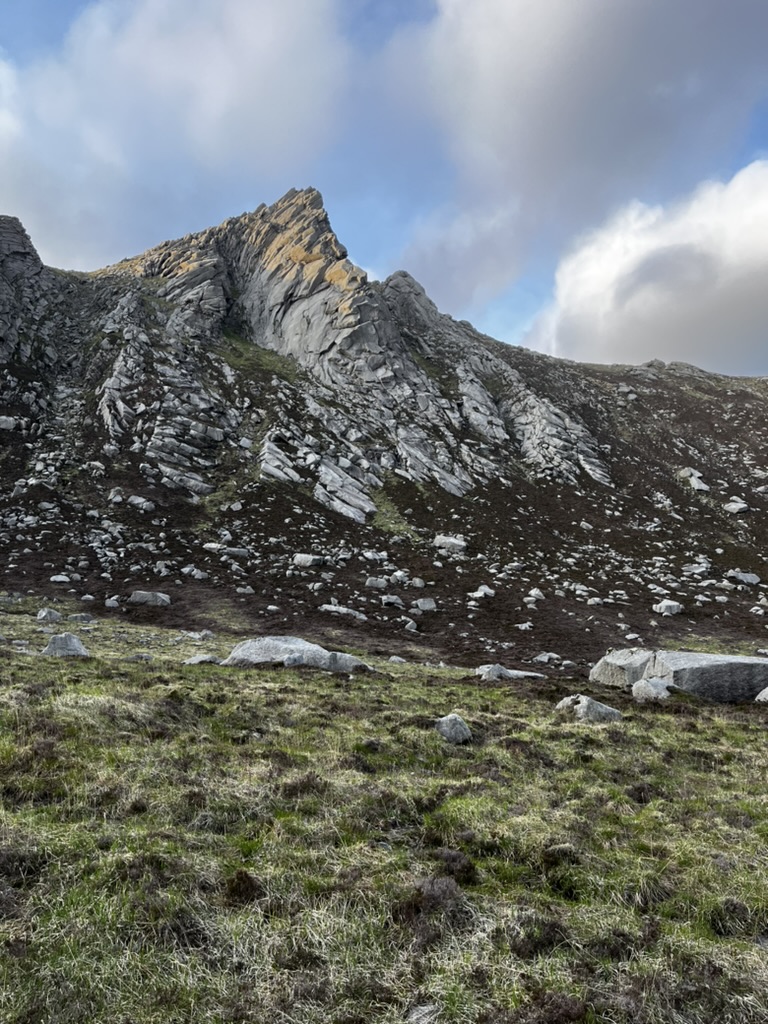
Cir Mhor on Arran

To get there, you need to get to Bodrick (or currently Troon), which is straightforward by bus or train from Edinburgh or Glasgow. Then, a cheap ferry will take you to the island, where everything is pretty much within walking distance.

There are plenty of walking opportunities too (watch this space…I’m going Sunday-Tuesday next week!) and it makes for an excellent break just before or just after university exams.

Glencoe, and the Southern Highlands

Glencoe needs no introduction. The Southern Highlands provide brilliant walks like this. From Edinburgh, travel here is a little more tedious than the Cairngorms (and honestly, I prefer the Plateau!) but it’s still a good choice for a weekend!
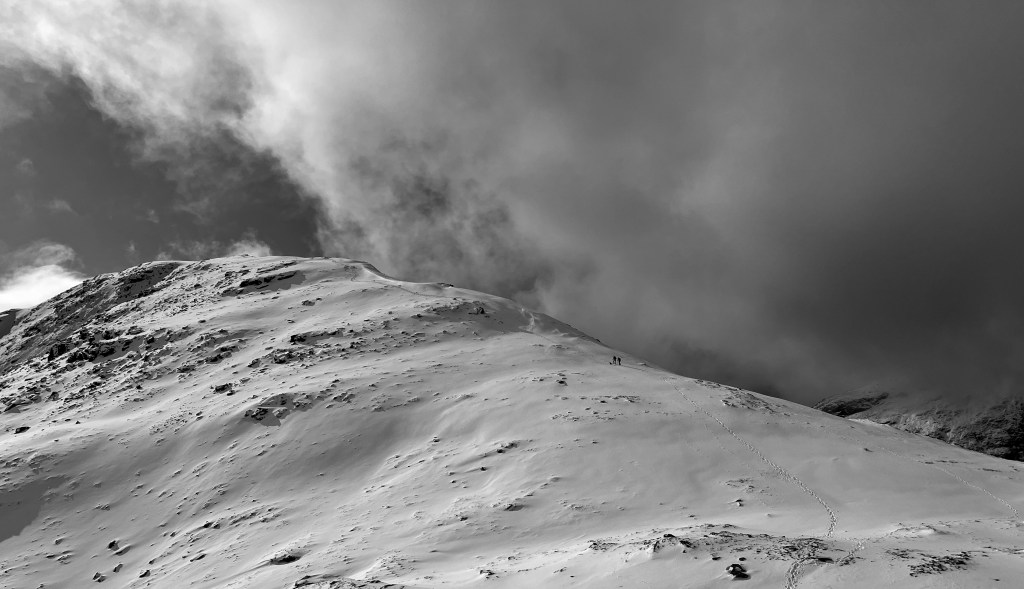
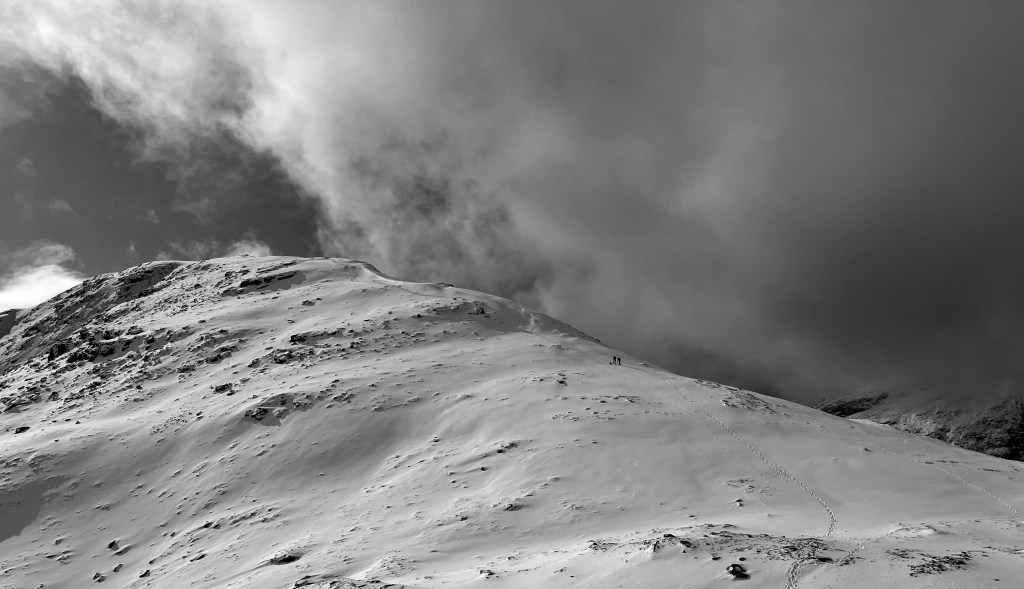
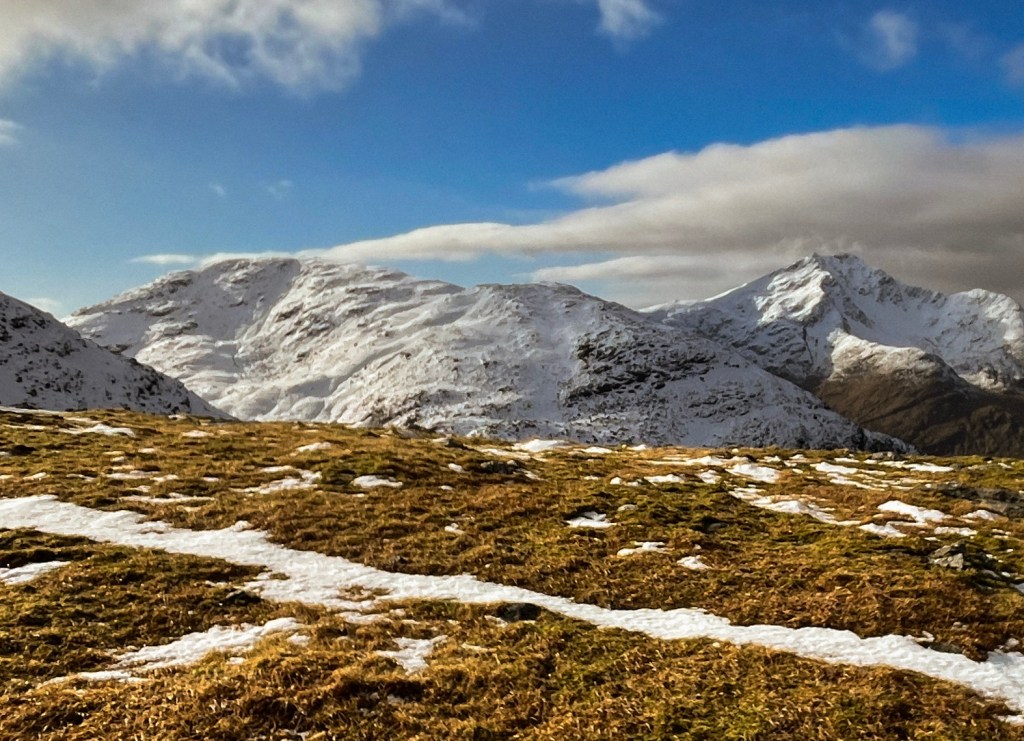
Ben Oss: Beautiful and dramatic

Skye

Skye…by bus? Yes! It’s easy and there are excellent and punctual buses on the island too! I had the pleasure of walking the Skye Trail last summer, and the climbing opportunities on the island are endless.
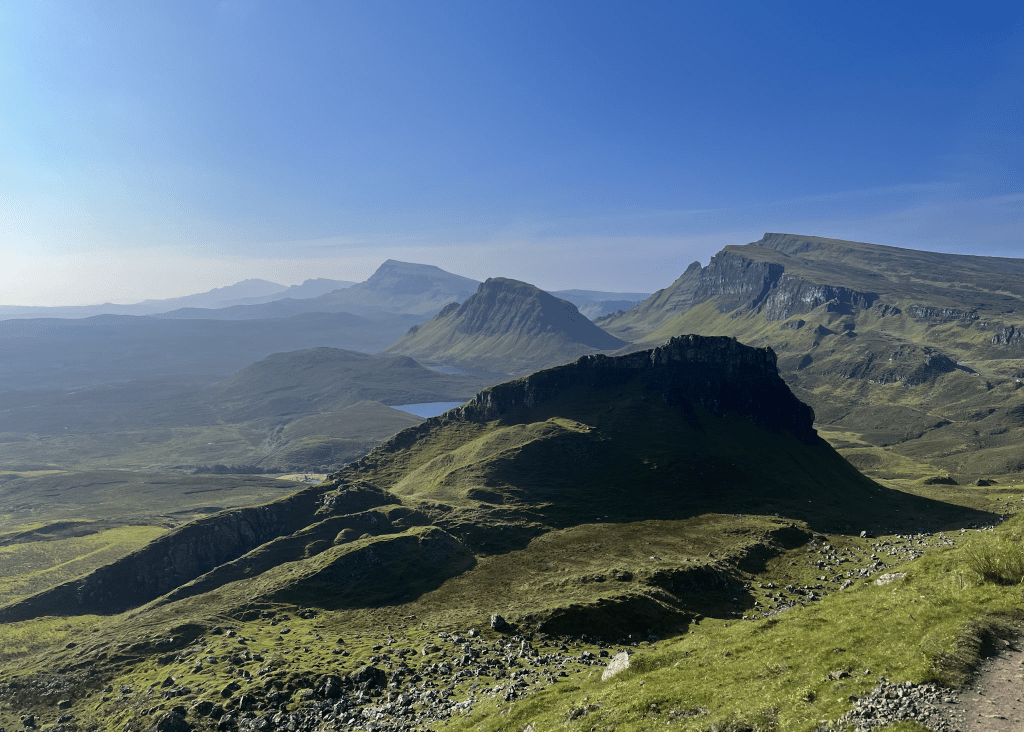
No words are needed for this: a beautiful place to have some MnMs

Ferries from Mallaig

It is straightforward to get a bus/train to Mallaig, and from here you can access many of the Scottish Islands and the remote and intimidating Knoydart peninsula. From Rum, to Canna, Eigg to Ladahr Beinn, this enables you to get to some of the most remote places in Scotland without ever having to drive.

This is just SOME of the amazing places you can reach by bus (for free if you are under 22 and live in Scotland!). My strong reccomendation: sack of uni, pack your bag, and go to the hills – you won’t regret it.
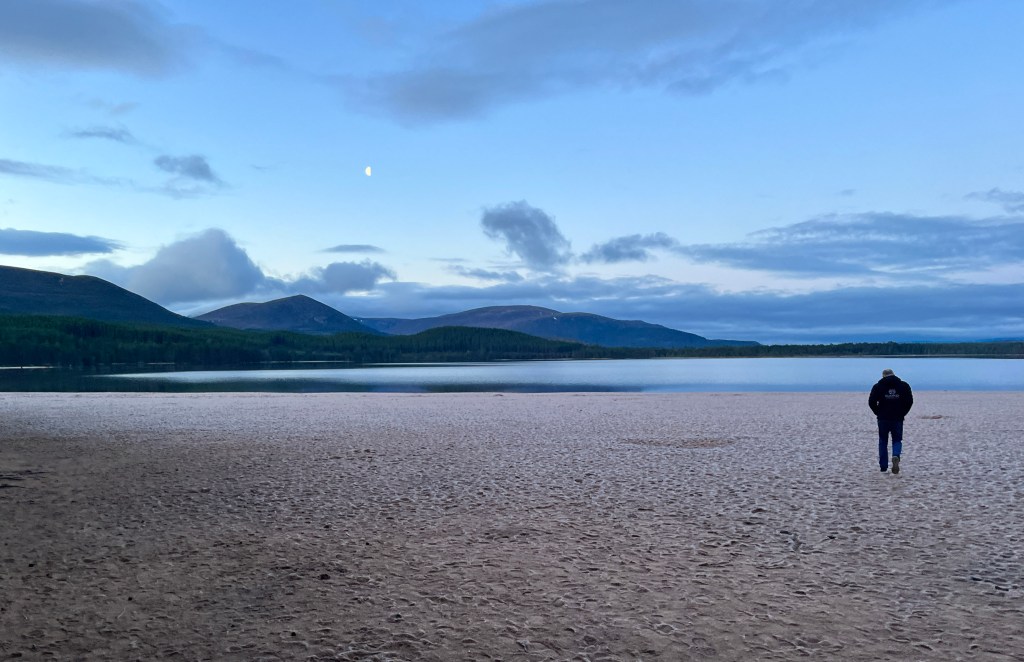
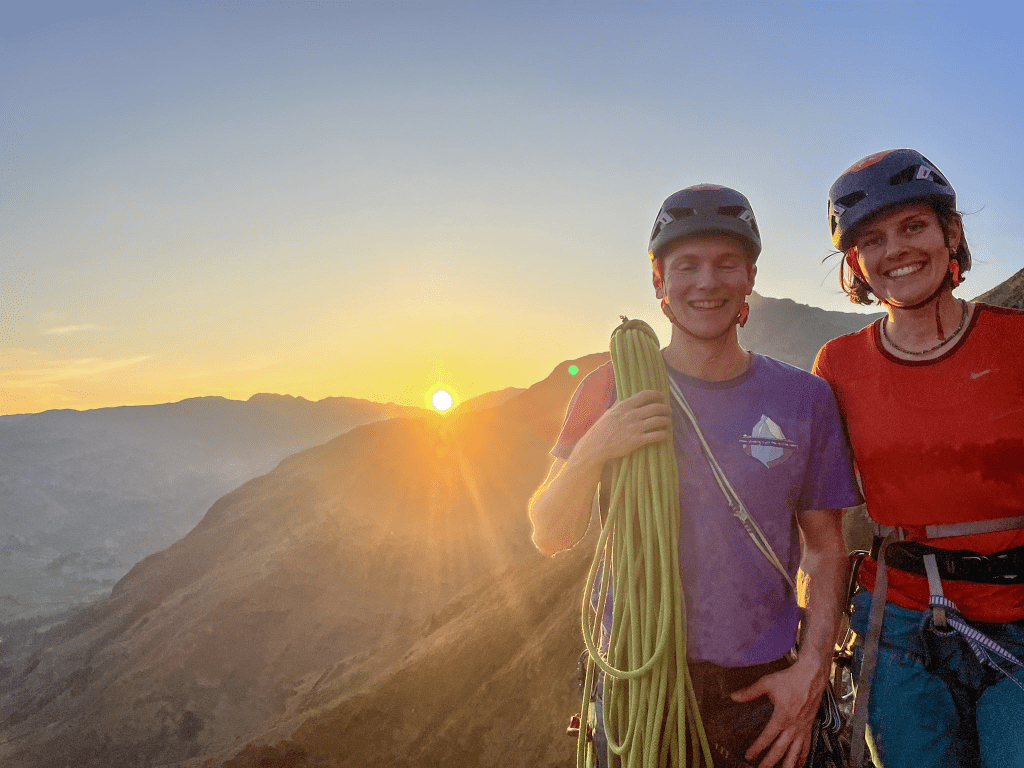
Not all those who wonder are lost..

Some Recent Photos

I don’t write a blog about every trip I do, particularly trips with other people. The nicest thing about writing a blog is the reflective element: it replace the conversation you’d have at the pub after a day out. In this post – I show some pictures from recent trips that didn’t make the cut for a post.

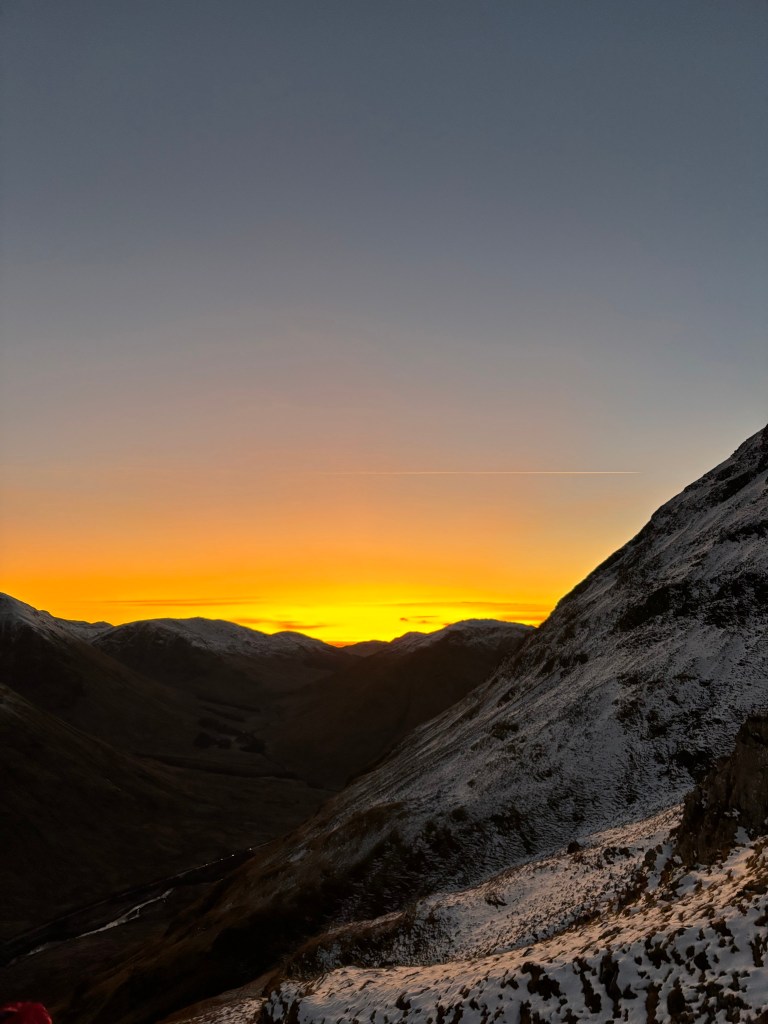
Sun setting after we climbed Laugh-Not at White Ghyll
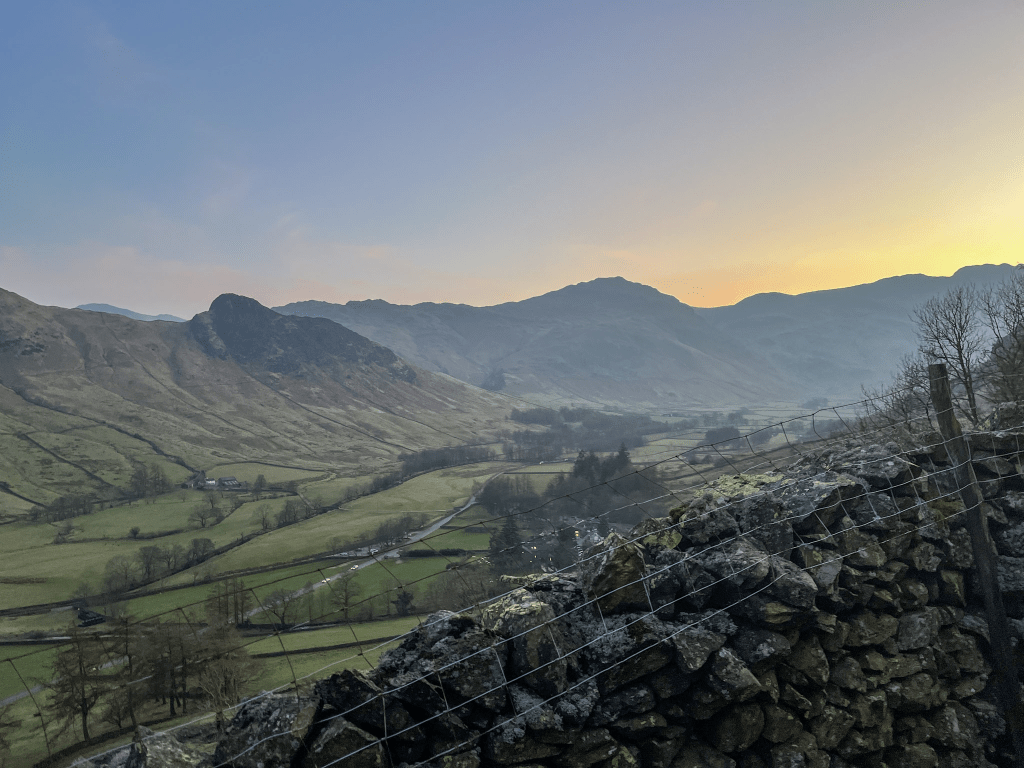
The Langdale Sunset
Smith
More sunset pics in the Lakes
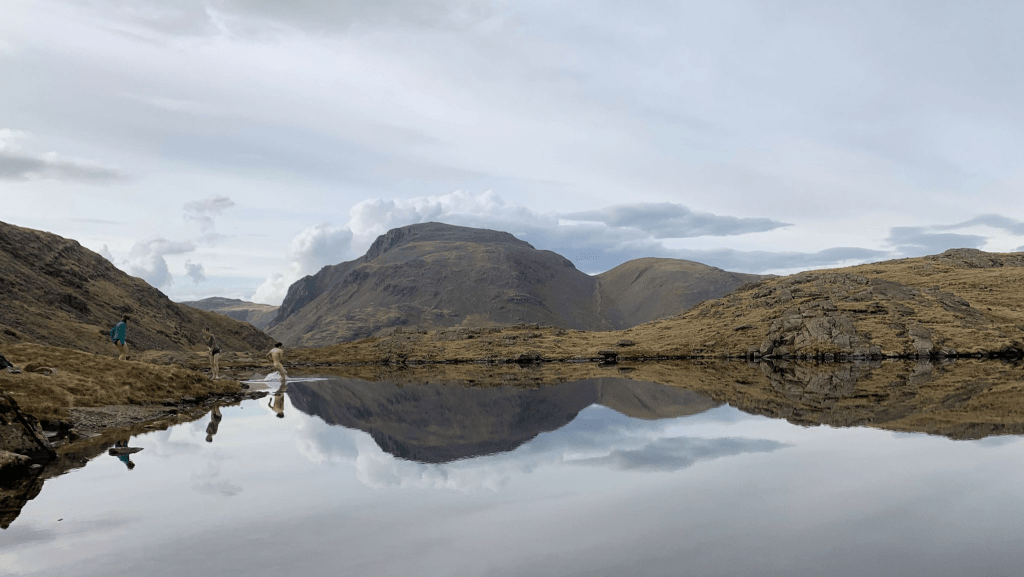
A swim at Sprinkling Tarn
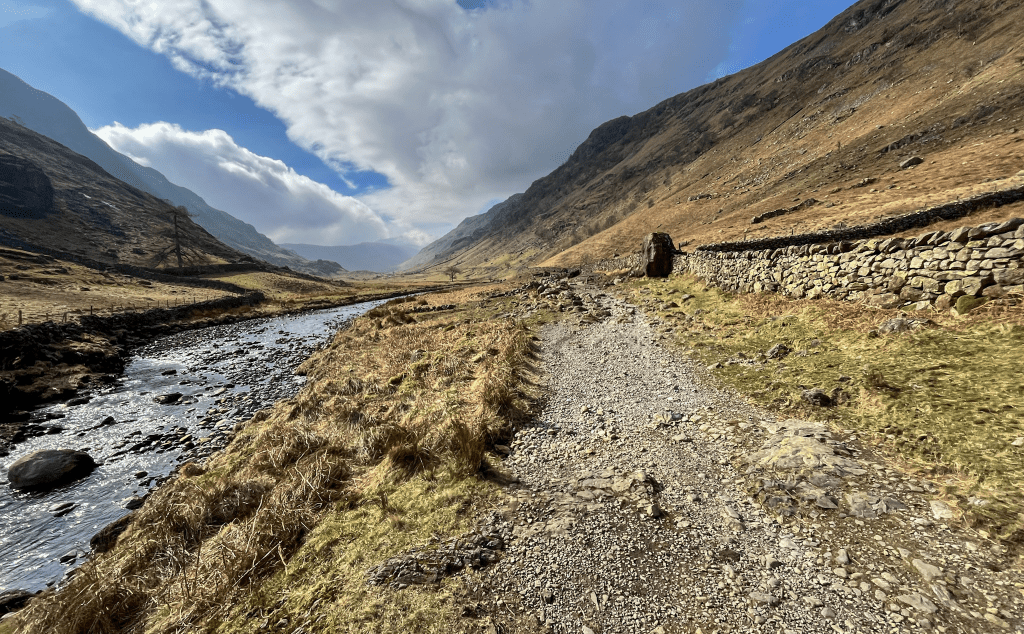
Looking down Langstrath – a beautiful Lakeland valley
Half way up Cam Crag
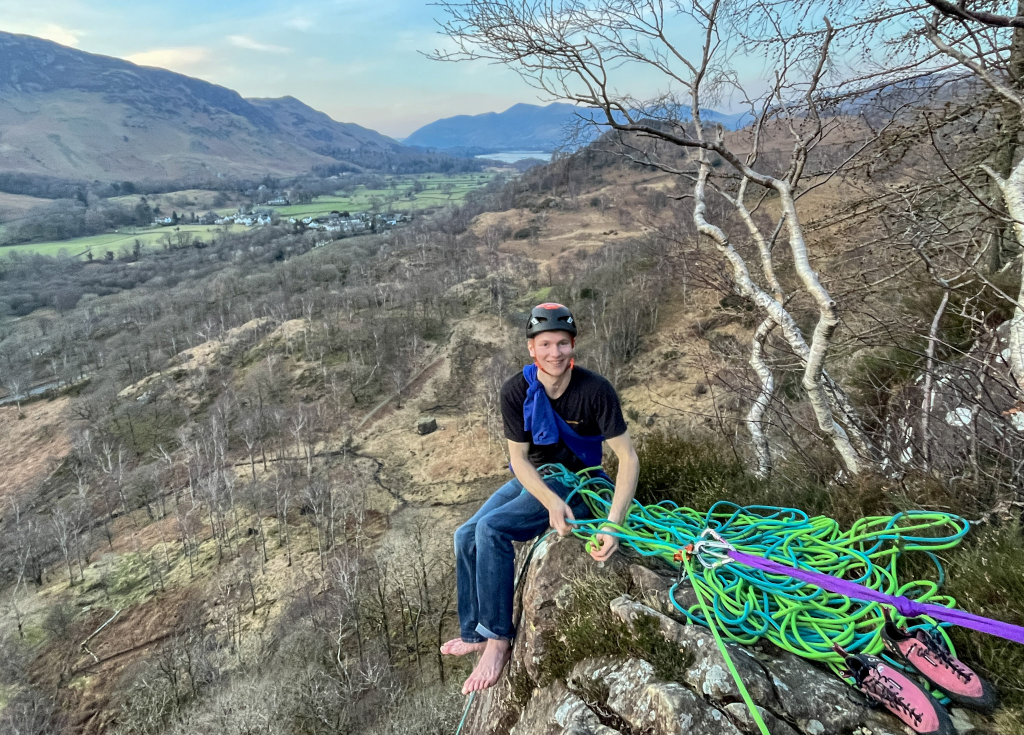
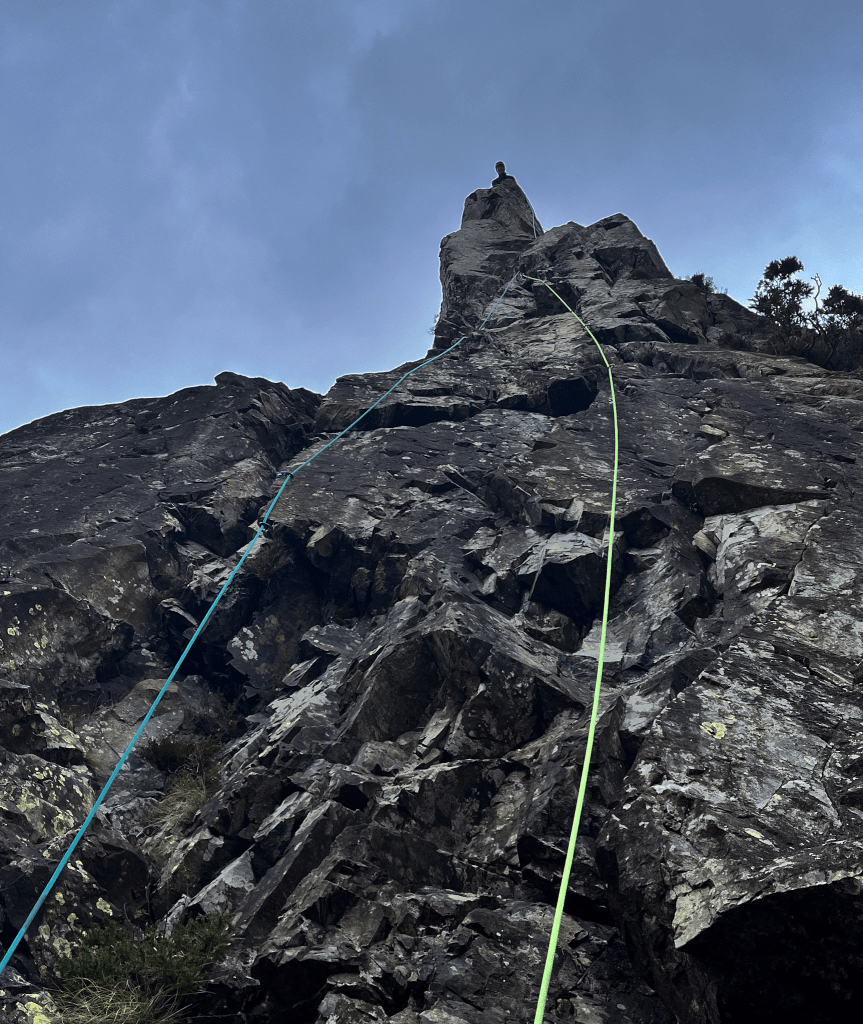
Noah (aka Smith) poking his head out from the top of Raindrop – one of my favourite routes in Borrowdale
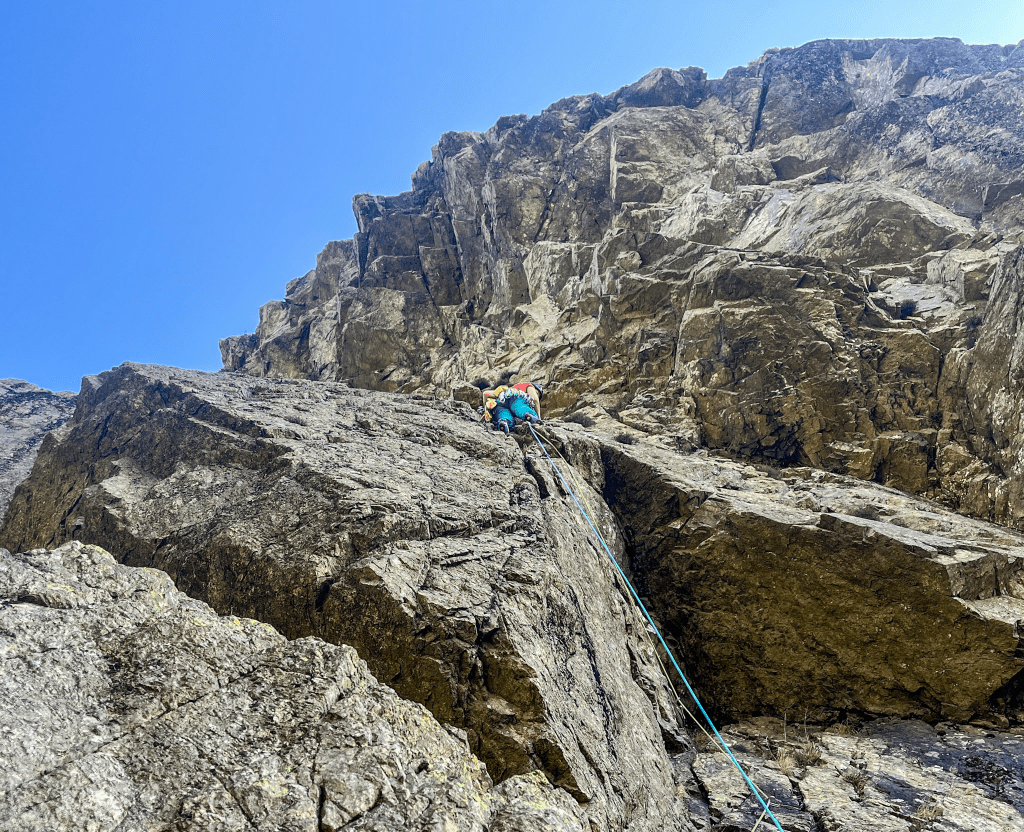
Anisha on the first pitch of Haste Not
Sun and smiles: is there anything better than a hill day!

This week I’m busy finishing writing my dissertation (and procrastinating by writing blog posts), but I’ll be back off to the Highlands or Islands this weekend for a nice big hilly romp, then I’m off to the Sarca Valley and Adamello-Presanella in April for some mixed climbing/big trad routes with Robbie! An exciting few months coming up!

Ben Lui

I left Edinburgh on Friday – as usual it was a busy week: deadlines and dissertations looed over. Getting out to the hills, even for just a day, felt stressful – but for me that is when it’s most important to make the time to get outside and step away from the crowds.

I took the bus up to Tyndrum and walked for five or so kilometres to a camp-spot. It wasn’t the best spot in the world – but that didn’t matter. Pitching a tent, making dinner, and then having a cup of tea and a read is one of the greatest pleasures in the world, and soon I was relaxing to the gentle sound of rain on the canvas.

Alas, the rain continued till the following morning and the day started with some white-out navigation. I used an altimeter to contour round a corrie in between two bands of cliffs, before gaining a ridge where careful compass work was required to avoid the cornicing. On the approach to the ridge – I opted to climb a steep turfy rib over plowing up the deep snow slope. Conditions were warmer than forecast, and for folk who don’t know, the avalanche forecast is based almost entirely on the Met Office predictions. Given the warmer snow condition and the steep slope – I became cautious of the prospect of wet snow avalanches so stuck to the turfy rib where this wasn’t a problem.

As I reached the Summit of Ben Lui – it was somewhat of a psychological struggle to find the motivation to climb Ben Oss. The weather was sub-optimal: it was navigationally challenging conditions, there were no views, and I had a lot of uni work to do when I got home. The temptation to sack if off and get home in good time was high: after all, I’d still done one Munro.

Somehow, I did find the motivation to continue, the forecast was set to improve dramatically, and often the days when you work the hardest and the conditions are the toughest are the days where the reward is the greatest. Time and time again I’ve started a day in the pissing rain only to be rewarded by clear skies and great views into the evening. In the mountains it is always worth sticking it out – even if the only reward is that the tent will feel just that bit cosier in the evening.

Soon I was at the snowline again and the view began to clear. I was ploughing through knee deep powder which was hard work, but my mindset had flipped. I repeated to myself: the harder the work, the greater the reward as I panted up the hill. Breaking trail in snow this deep for kilometres on end was hard work, but soon the clouds did clear. I could see the path of my steps stretching ou beneath me and the sun poking through the clouds. I let out a cry of elation: the reward was indeed great, joyously so!

Nearing the Summit of Ben Oss – what a view!

I began to become euphoric The views were so wonderful now because the morning had been spent in a white out counting steps and following bearings. The hard underfoot conditions just added to the experience too, making me work hard for each kilometer. A great treat.

I reached the summit and alas began to see other people as I descended towards the next Munro. I’m always glad to see other people out, but crowds do diminish the experience for me.

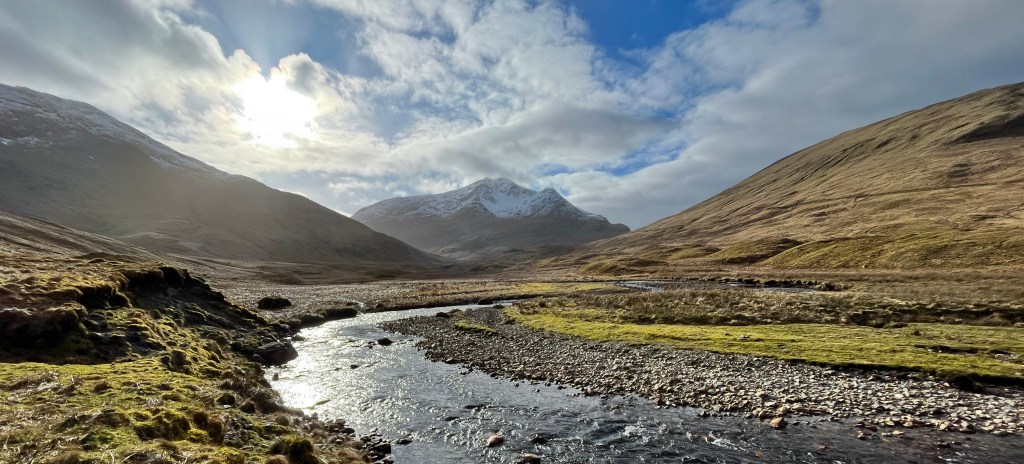
The final Munro was overcome with ease, leading one last descent. As I dropped down into the valley steeply, I found an idyllic little spot by the river. I was sad I couldn’t stay out another night – it felt rude to leave such a wonderful spot behind!

November in the Cairngorms

Chronology is not the strong point of this blog. This is a write-up of a trip I did back in November through the Cairngorms just before the winter season began, and it was a truly beautiful couple of days alone in the mountains.

Solitude in the mountains is like an old friend, one whom you can go a long while without seeing and then pick things up as if you had never been apart. You become aware of the sound of the wind on the grass, the smell of pine needles in the forest, the sensation of wind on your face and the gentle crunch of gravel under your feet. The awareness extends beyond the surroundings: a long walk in the mountains allows you to reconnect to yourself – often, decisions that had been troubling you or dilemmas you have in your everyday life become trivial in walking through a wild place. The mountains provide you with the path to contentment, and in wandering through them alone you open yourself to deeply moving experiences that only the hills can offer.

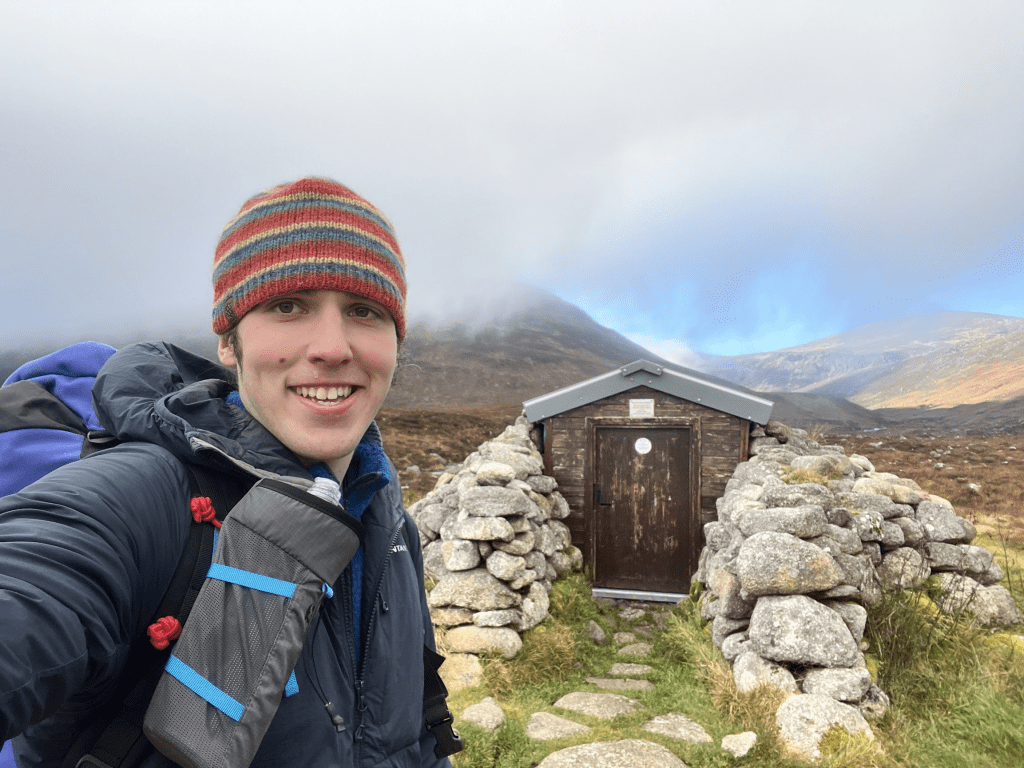
After a tiring and stressful week – I very much wanted to spend some time in the hills: specifically my favourite hills, the Cairngorms. I was craving a night in a bothy drinking tea, and I wanted to revisit some of my favourite spots in the range. I spent Friday morning trying and failing to study, then hopped on a bus up to Aviemore. A short ride to Glenmore and I began walking.

The air was cold: only just above zero and the darkness was thick. November in Scotland can feel rather gloomy – on a dreich day it can feel dark by two and the night is long. Starting walking at six in the evening meant I never saw my surroundings, but I appreciated the smells and sounds nonetheless. Tonight, I would walk through the Rothiemurchus pine forest to Ryovan bothy: a peaceful bothy nestled in an ancient woodland. The walk was short, just five kilometres and I knew soon I would have dinner on the go.

Sunrise on the first night – it was a cold one!

I reached the bothy and went inside: people were already inside and I wasn’t feeling particularly social, so I set up my tent and read some Lord of the Rings. I cooked some gnocchi and relaxed in the warmth of my sleeping bag – relishing the peace of the hills.

Day 2: Ryovan to Hutchies

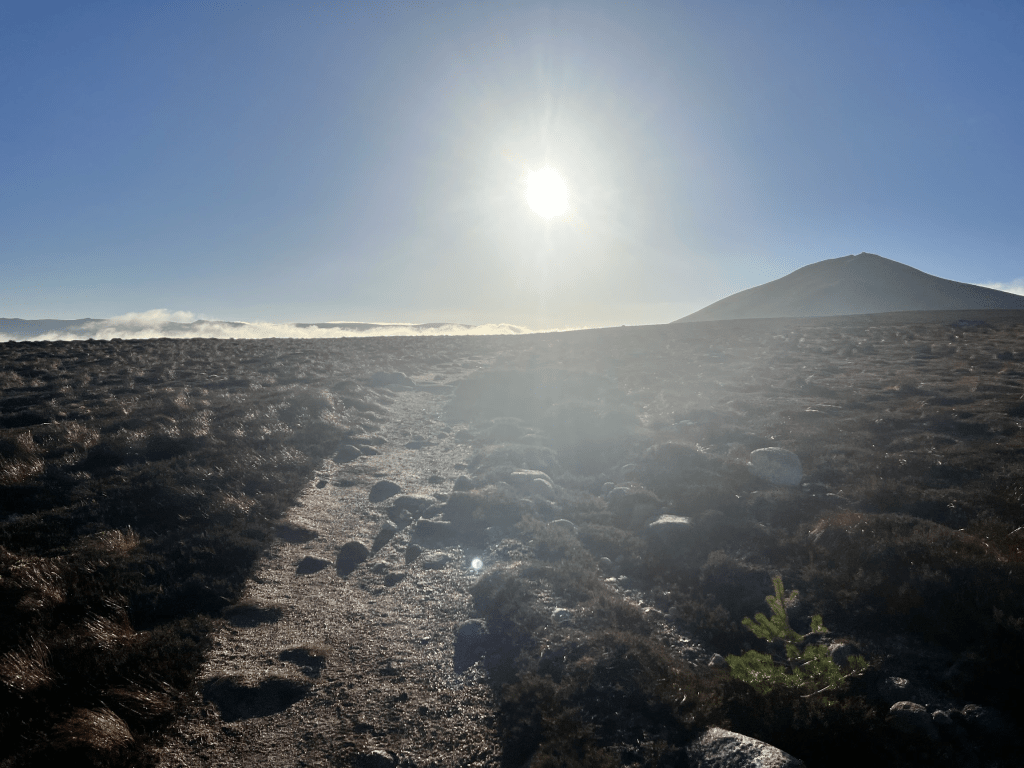
I awoke to a beautiful sunrise over the Cairngorms. The sky was orange and I enjoyed some cake for breakfast: nutrition is not important when walking. I set off towards the top of Bynak Mor under a blue sky – what a fantastic treat!

More morning views

Bynak Mor made for a pleasant start to my walk, with a gentle climb of about 800m vertical to a wonderful summit. Upon reaching the top – I was treated to a glorious cloud inversion over the plateau. The summits were only just poking out, the sun was shining, and it was truly a glorious sight.

The Last Stretch towards Bynak Mor

I chatted to some other walkers at the top. One of whom was an Aviemore local who had seen the possibility of an inversion on the weather forecast and got up early to try and get some photos; another was an older chap who had walked through the highlands his entire life but was beginning to struggle. We spent some time chatting about the hills, the mountains, and the view.

“It’s days like this you live for – you can’t beat them, and they’ll stay with you for the rest of your time.”

The chap is right, I’m sure. An inversion over the Cairngorm plateau is a great gift.

No words…

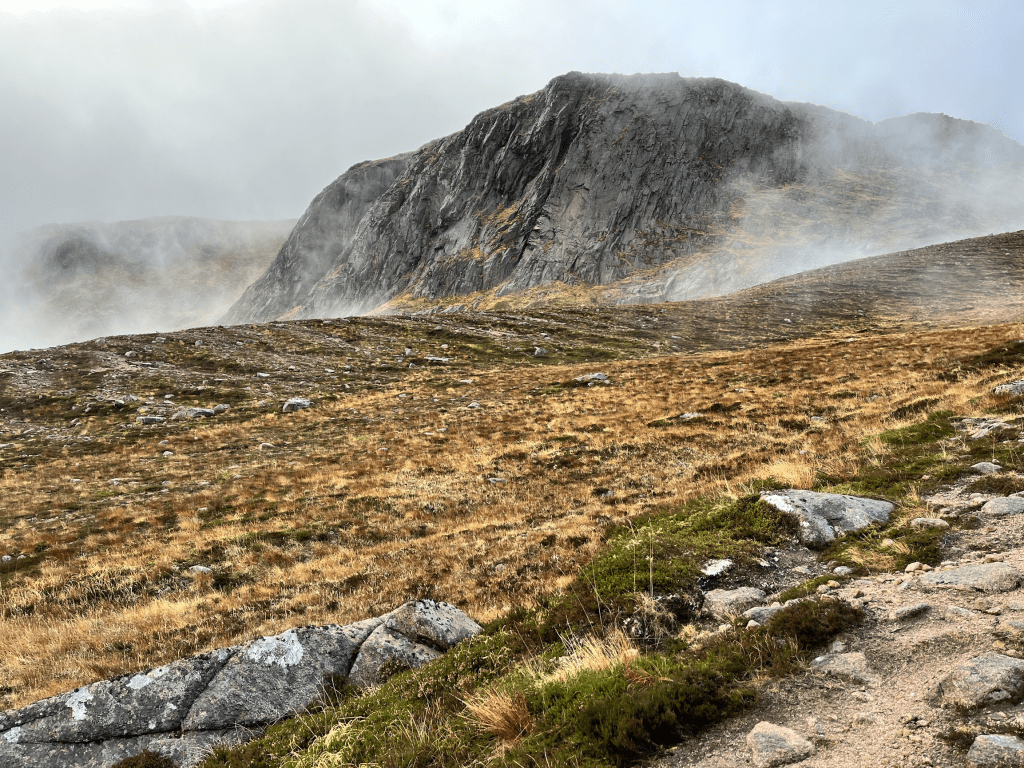
Eventually, I left the summit and bimbled to wards the Barns of Bynack – a Dartmoor esk tor of rock (one of the largest tors on the Cairngorm plateau). A sharp descent led to the valley which I followed to a small bothy called the Fords of Avon Refuge.

The Fords of Avon Refuge would not be a nice place to spend the night. It is essentially a small windowless room designed to offer a survival shelter. Although warmer than a tent – with just a few folk in there it would quickly feel stuffy and damp and generally not be particularly pleasant. It did make a fine lunch stop, though, especially as the weather was beginning to deteriorate a little.

Solace in the wilderness

After lunch, I bimbled on to Hutchies, another ten or so kilometres away. A beautiful glacial valley between Ben Mheadoin – my favourite Munro, and the Ben Avon plateau led over a small pass and towards Glen Derry. Here – the walker is offered a choice: continue on towards Bob Scott’s bothy and Braemar, or turn back towards Hutchies and Loch Etchecan.

I wanted this trip to be somewhat of a Cairngorm greatest hits and have fond memories of a week spent at Hutchies: this made it an appealing place to spend the night. I arrived in good time and got some tea on, relishing the shelter but fearful of the cold night ahead, for I had no firewood.

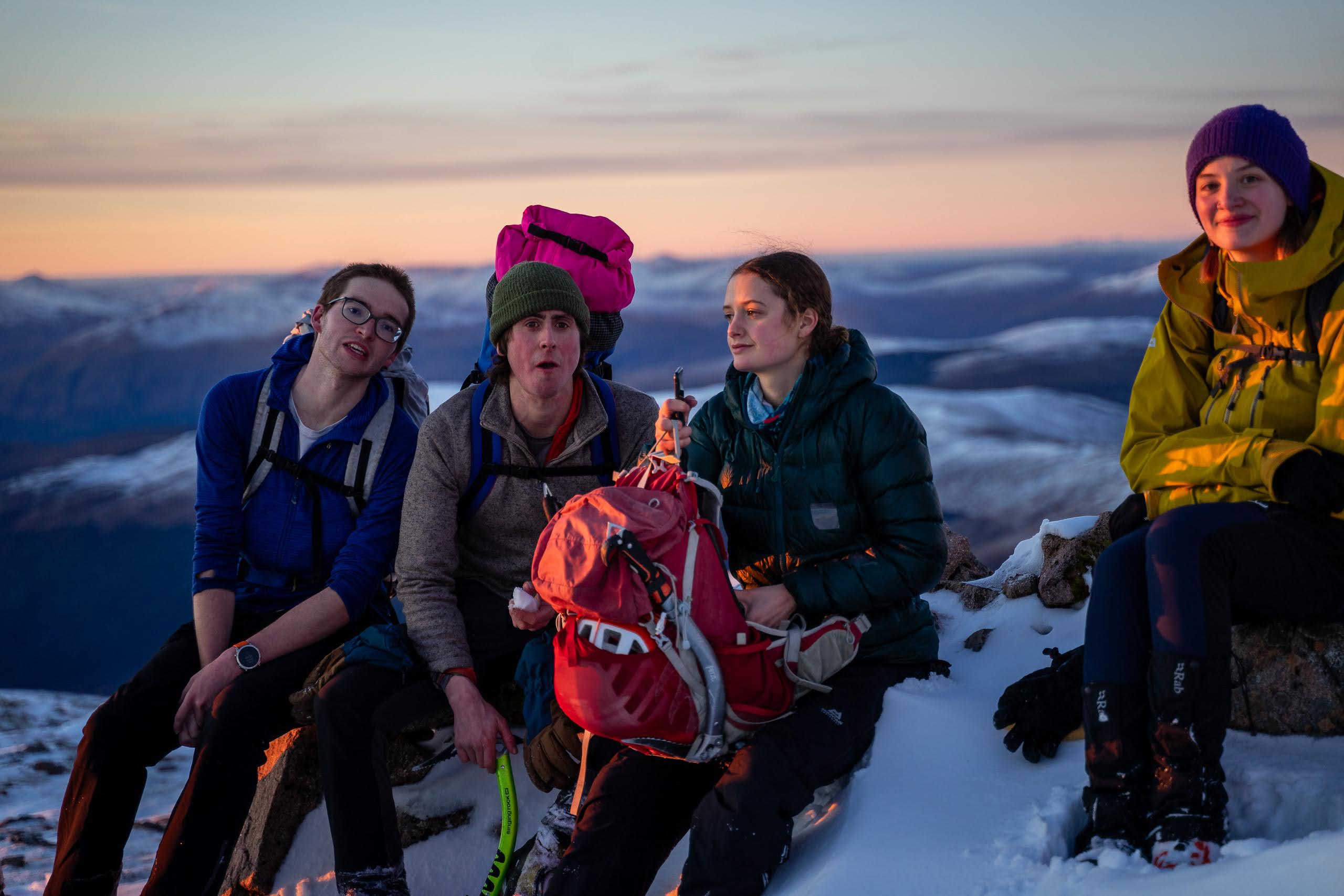
Soon, someone else arrived. Charlie was doing a PhD in soil at the University of Stirling. He was a lovely bloke and immediately we got on extremely well. We shared some food, and enjoyed talking about ways to conserve the highlands better.

Then, four New Zealanders arrived, not only were they lovely, but they’d carried in firewood and soon the bothy was absolutely toasty. We shared some whiskey and enjoyed a night of good company on the high plateau – topped off with some more Lord of the Rings. A perfect bothy night!

Day 2 – Hutchies to Glenmore

I woke up and made some tea – a fruity and delicious herbal blend. Soon – I said my goodbyes to the other bothy residents and set off towards Loch Etchecan. A beautiful spot in the high plateau – this place felt like a wonderful place to be. I had a small snack and then continued down towards Loch Avon.

The crags above Hutchies

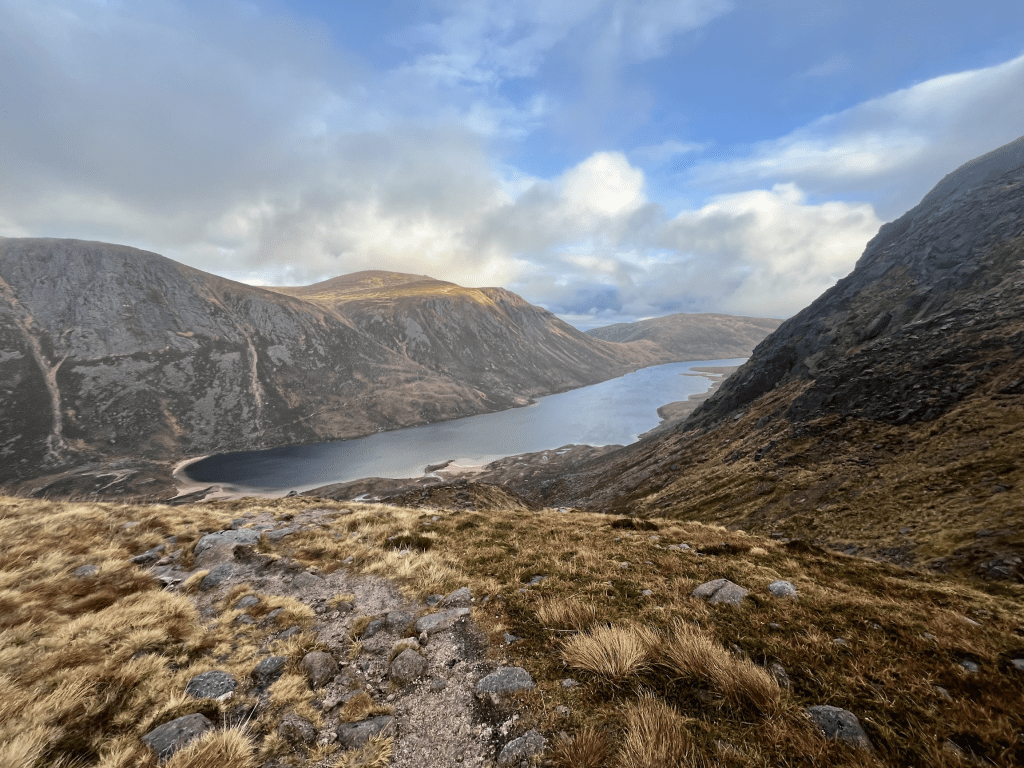
Loch Avon is massive – comparable in size to Derwent Water – but the slight catch is it’s at 750m or so – the height of Harrison Stickle. Yet again – the immense scale of the Cairngorms never fail to amaze me!

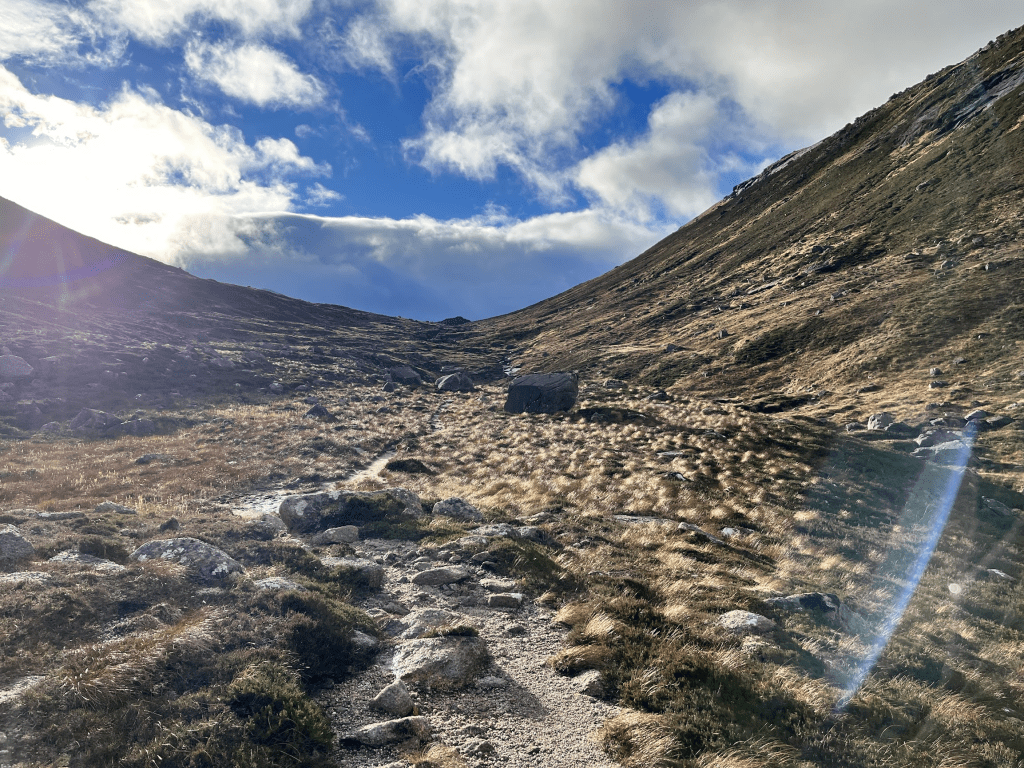
After a short bimble along the lake, I made a final climb up to the Saddle at 807m. From here, I followed a remote valley called Strath Nethy back to Glenmore forest. The environment was remote and wild, but sadly boggy at times. The valley is beautiful and is underappreciated; tourists to the range prefer to visit the nearby Larig Ghru, which, although more spectacular, has far more traffic.

Loch Avon

At long last I reached An Lochan Uiane, where I enjoyed a pack of MnMs and a final rest before the journey home. The last few kilometres of the walk would be through the beautiful ancient Caledonian pine forests.

Strath Nethy

I reached the road, got a hitch quickly, and enjoyed Fish and Chips in town before journeying back to civilisation.

The Cairngorms, yet again, delivered. These mountains have become a home away from home for me: not a month and barely a week goes by where I don’t spend some time walking or climbing among these hills. It was a great pleasure to visit in Autumn, just a week before the first snows, see the wonderful colours of autumnal Scotland and spend two nights away from civilisation enjoying peace and quiet away from the crowds. What a success!

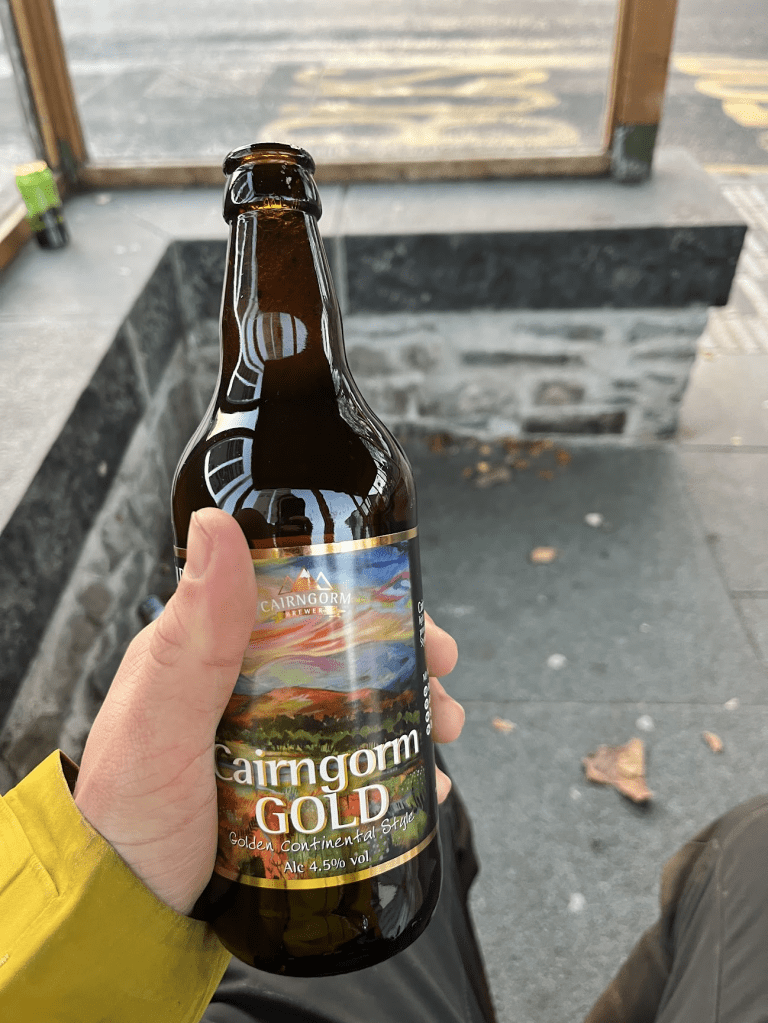
A good pint on the bus home…

Angels Peak, Cairn Toul, and Brarieach

There is something wonderful about the feeling of a long hill day. They always feel surreal: the early start, lacing up frozen boots, walking in the pre-dawn darkness with thoughts somehow feeling soft and bouncy, the second life when the sun rises and the bliss of the first hours of walking feeling free, and that satisfying fuzziness of the brain at the end of the walk, and my planned outing for this weekend was not a short one – with somewhere inbetween 35km and 40km of winter ground to cover, including some steep sections that would almost certainly require care. Safe to say: an early start was required.

The alarm awoke me at 4:30, and by 5am, I was walking. The first few kilometres were walking along a road before heading towards the Chlamain Gap and the Larig Ghru. I was making good time, but the ground was already difficult: although the ground was generally snow free there were large sections of black ice and any snow that was there was bullet hard and required careful step cutting with an ice axe. It was due to be a long day…

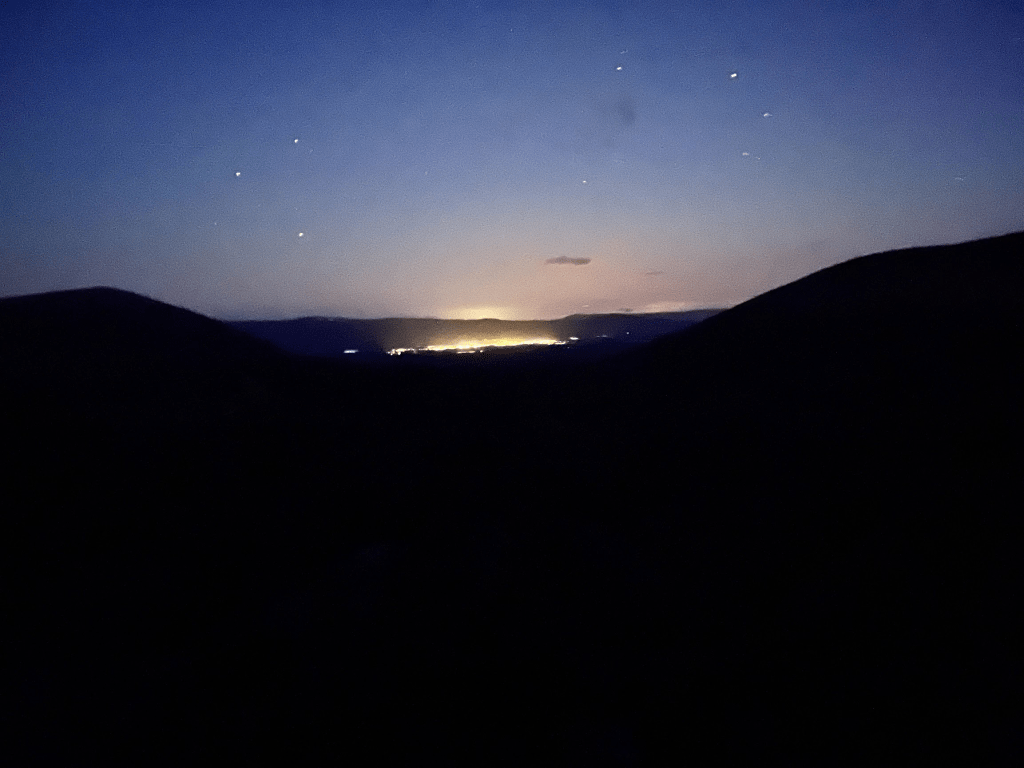
As I entered the Larig Ghru I saw the lights of Aviemore glinting in the distance: I seem to end up in Aviemore every week at the moment and it’s a small town I’m very fond of.

Aviemore

As the sun began to rise, I finally turned my head torch off and marvelled at my surroundings. What a place!

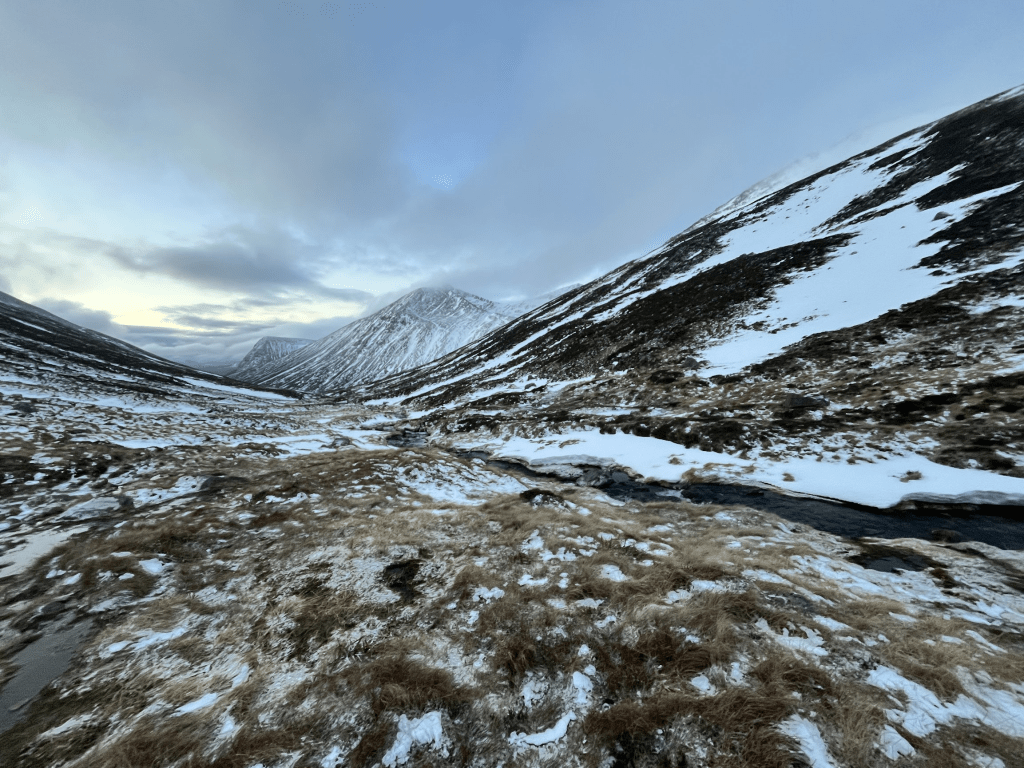
The path was often covered in snow and care had to be taken when crossing streams on snow bridges. The snowpack is very strange at the moment, with about half the ground completely scoured, and some covered in thick accumulations of bullet hard neve. What’s interesting is there is a significant variation in which aspects the accumulations lie, a result of the complex weather systems that have been hitting Scotland recently.

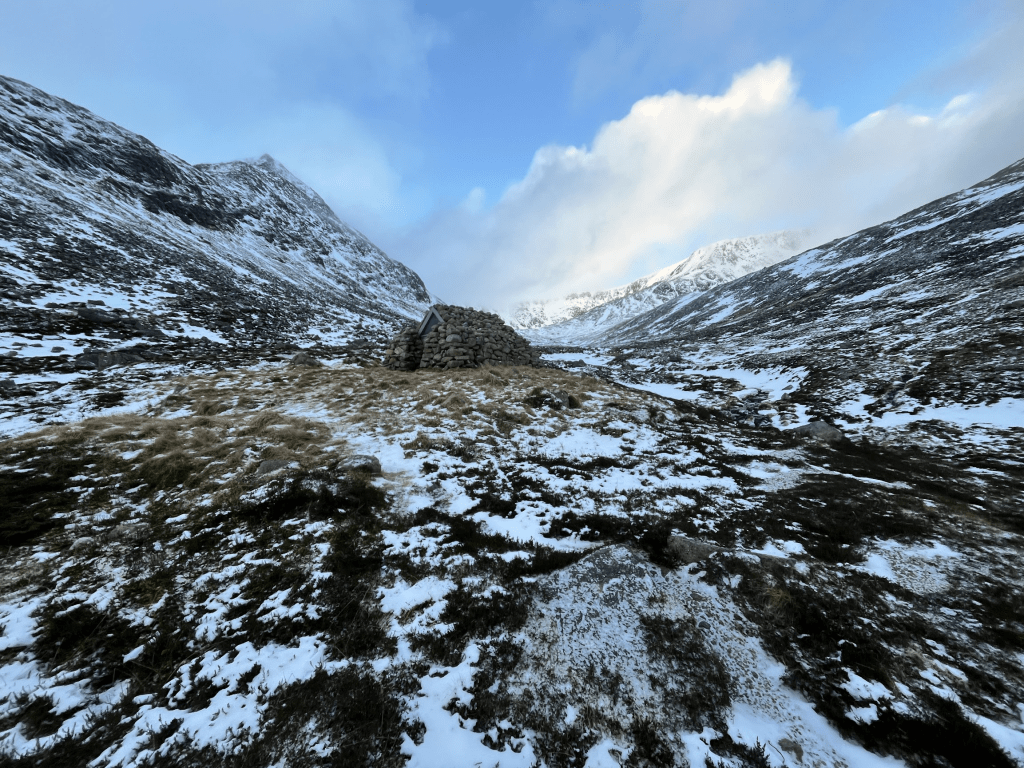
Soon, I turned off towards Refuge of the Garbh Corrie Mhor, a small “bothy” in the coldest and most remote corrie in the UK. The terrain here felt big: almost North Face of the Ben esc but with no one around – class! The bothy istelf is very basic – much more of a shelter but it felt cosy. I want to come back here to climb: there is lots of summer and winter new-routing potential.

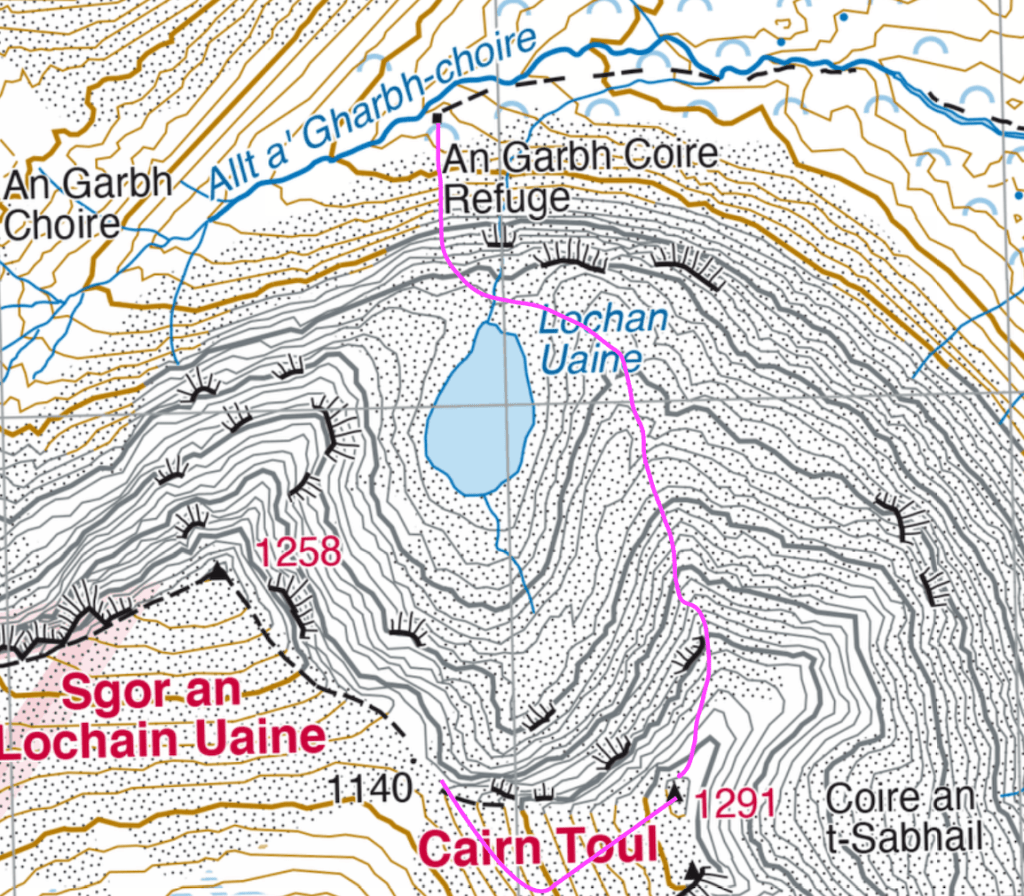
My route – note the dog leg of Cairn Toul

The next section up to Lochan Uaine was the only consequential ground of the day: steep snow and ice-covered rocks had to be overcome at around grade I and crampons had do be donned. From the lake, a short climb up to the summit brought me initially into a beautiful setting, before a white out descended.

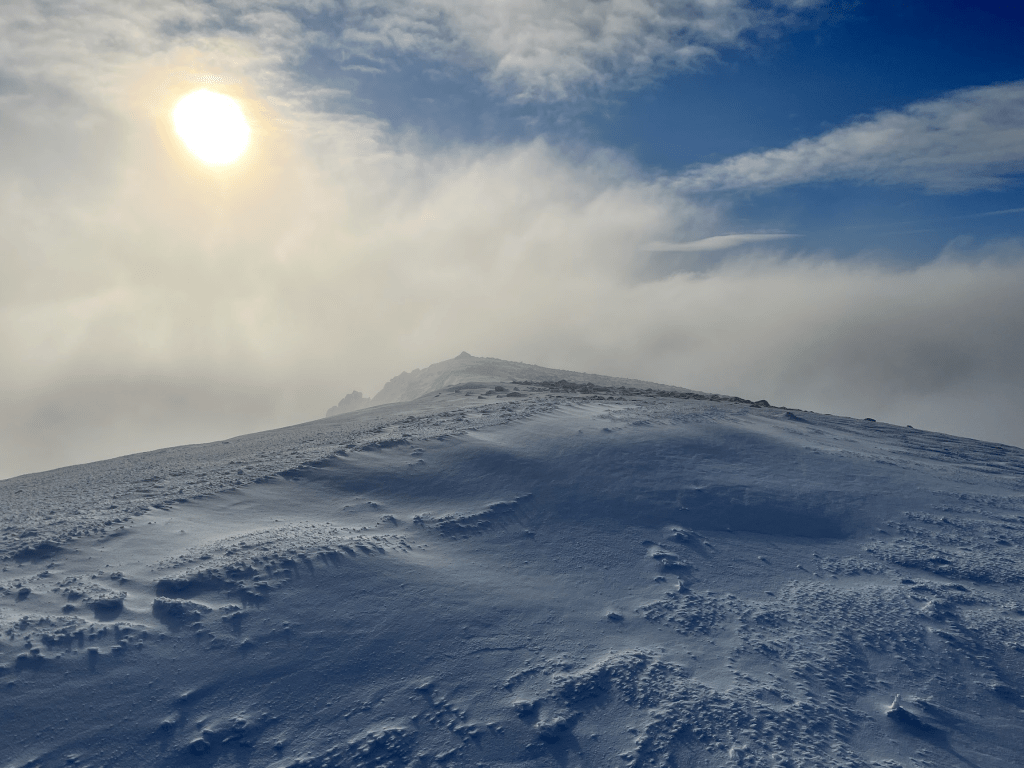
Initially on the summit of Cairn Toul

With the edge of the corrie significantly corniced and a fair amount of snow accumulating on this slope, care had to be taken to avoid simply walking off the edge. For folk that are unfamiliar with winter nav, I utilised a dog leg, essentially walking on a bearing for a fixed distance (a technique known as dead reckoning) before walking on a new bearing for another fixed distance to avoid the hazard entirely. Safe to say: this is a strategy that requires practice and care, and I was satisfied to reach the saddle bang on.

The ascent to Angels Peak was again straightforward, and once at the top I opted to add a couple of extra layers. I followed the ridge around to Brarieach, with briefly improved visibility, but soon, again, it was near white-out. Careful navigation was required on the plateau. Luckily, towards the end of the second leg, the visibility cleared so I could use the edge as a handrail to reach the summit.

The navigation on Brariach

The return journey was quite straightforward, and in just a few more hours I was having a beer in the pine martin with Fergus, who had travelled up that day to meet me for another hill day tomorrow up around Loch Avon and the Northern Corries. The day totalled around 38km: a rather long day out and it was safe to say that the beer got me drunk rather quickly that evening.

Not the accommodation you want in the middle of winter…

2024 – A Year in Review

This year, I’ve spent around 3 months in the mountains: there have been some excellent days, some crappy days, some cold and wet days and days so hot it’s hard to breathe. I thought it would be a nice idea to do a bit of a roundup of some of my favourite days, camps, and trips this year.

Favourite Camps

It’s interesting to see which camps stay with you. Some spots, despite being beautiful don’t linger long in the memory, whilst others I think about each night as I go off to sleep, dreaming of the comfort and relaxation that comes from sleeping high in the mountains, deadlines and city life a million miles away.

A Slopey Night

The camera does not lie – it was an extremely steep pitch

There are some things which are useful to know for alpine climbing. One of which is the lack of large flat places to pitch a tent. We decided to ignore this wisdom: surely we could find a spot for Joe’s beautiful freestanding tent, we could even dig into the snow if needed to create a flat spot. Alas, it was our luck that the snow was not deep enough and there was no grass spot flat enough so the very best place was on top of this boulder. We piled rocks onto the snow skirt to secure the tent to the ground and relished a good but cramped nights sleep: three people in a two man tent would be tight at the best of times, let alone when your continiously sliding into one another.

The views outside the tent were spectacular, and this was a night were good memories were shared, and new friendships were formed.

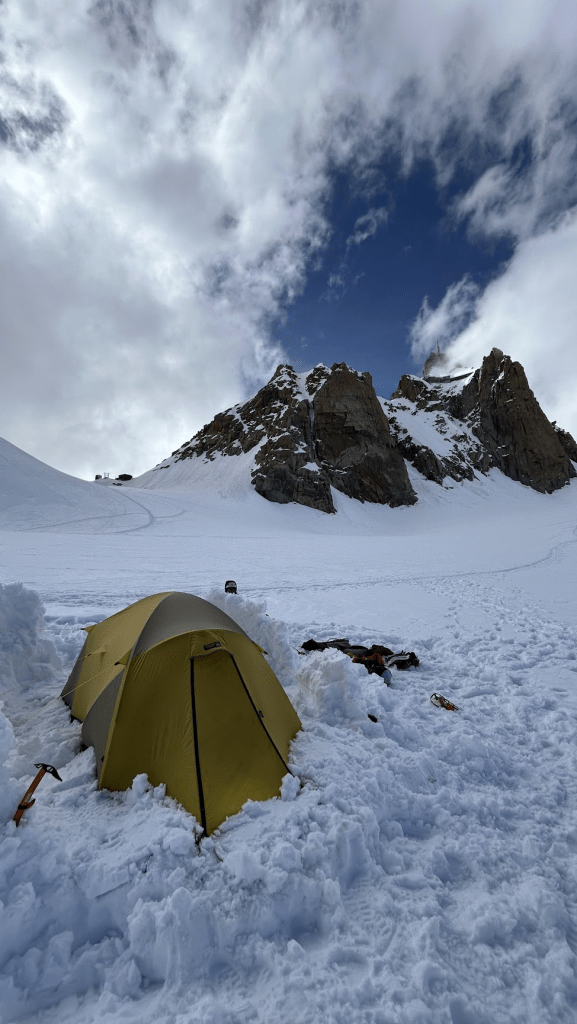
The Midi Camp

What a spot

This is a camp that brings a great amount of retrospective pleasure. The views were stunning and the air was cold and crisp in a way that you rarely get in the UK. We did forget a lighter (a classic move for me at this point), but luckily some kind frenchmen gave us one and I had an excellent evening melting snow. Joe also introduced me to advanced washing-line strategies, including microtrax based tensioning. A fine evening on the hill with a good friend!

A 5* Bivvy

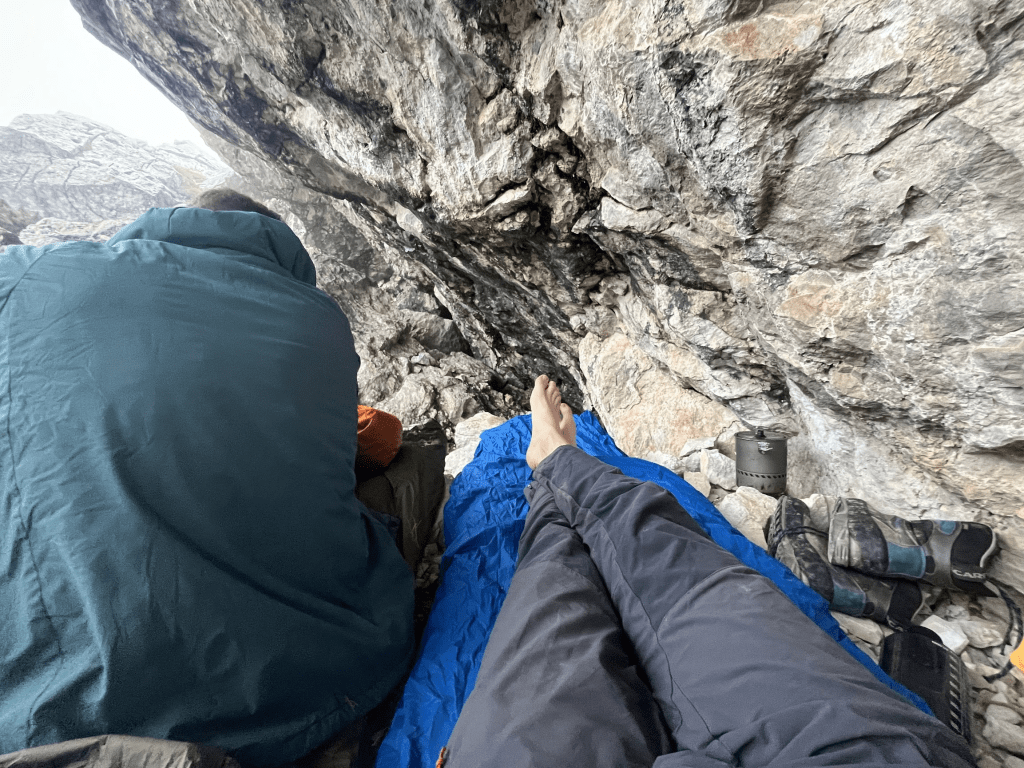
What makes a bivvy 5*? A roof, a view, and tea. This night just below Rifugio Tuckett in the Brenta had all three. Noah and I enjoyed a wonderful evening, talking about life, tea, and tortellini before doing the Alimonta Vidi the next day. The cave provided complete protection from the short but intense rainstorm and the views across to Presanella were simply unmatched.

A Night by Gnutti

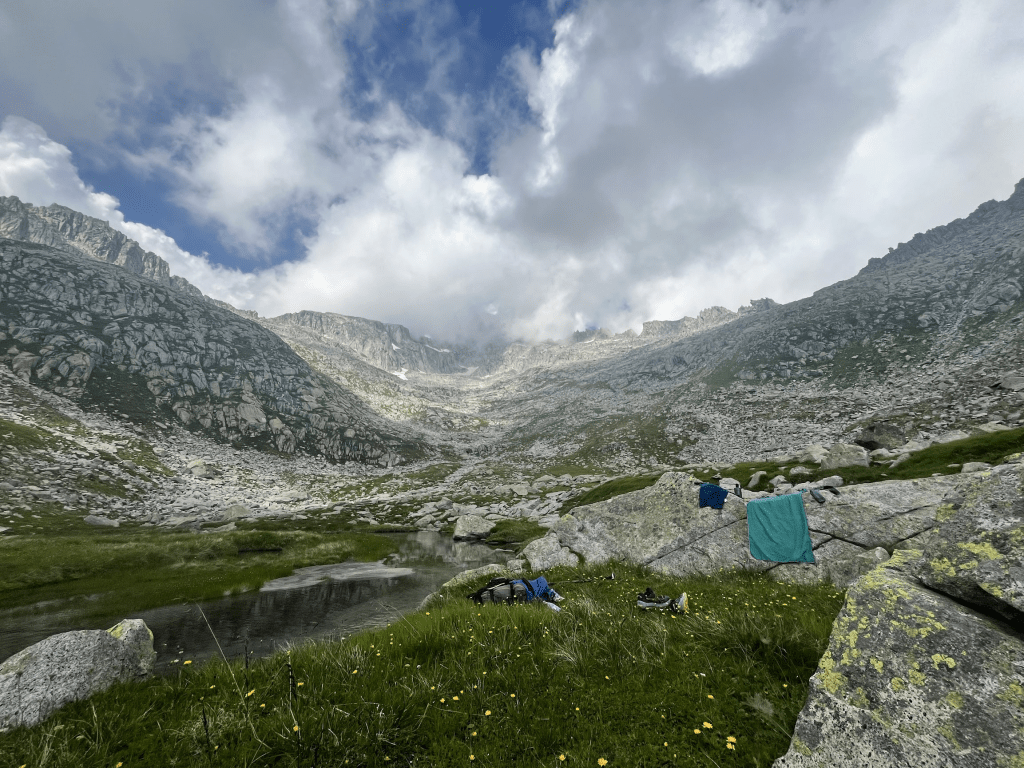
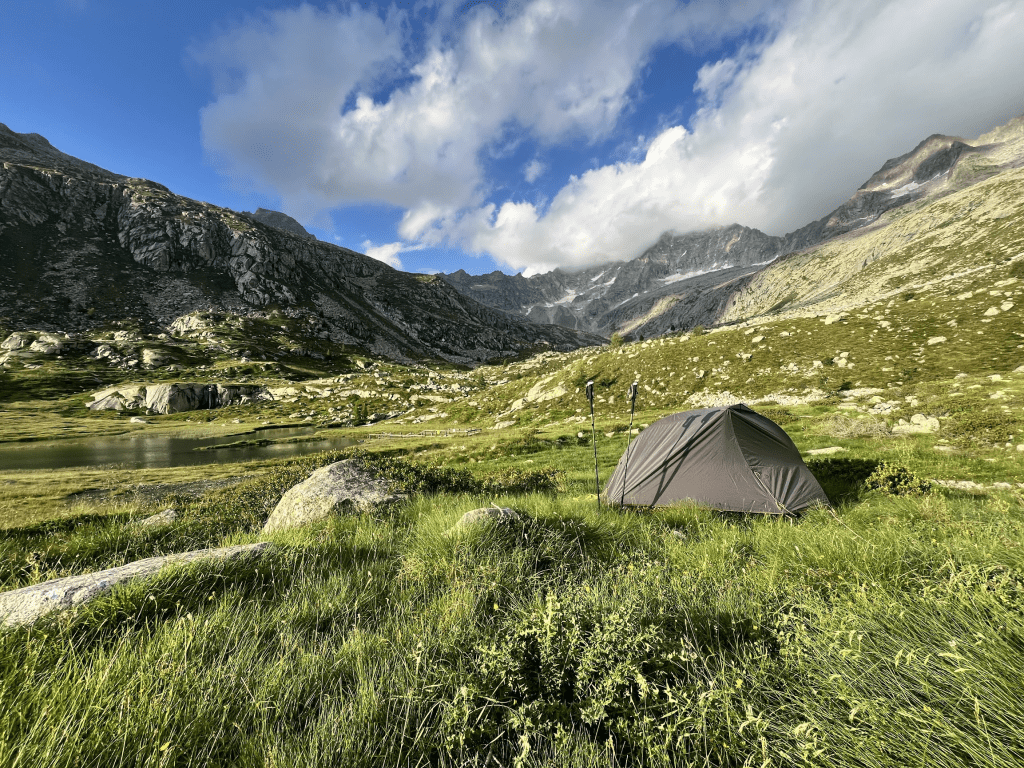
I think this was by a mile the most enjoyable camp I’ve had. The temperature was perfect, the food was good, lots of tea was drunk and I even had a nice dip in the cold lake. The views up the valley as the sun was setting were beautiful in a way that is difficult to put into words – it was a fine night to be on the hill and one that I find myself thinking back to every day.

Where Dinosaurs Roam

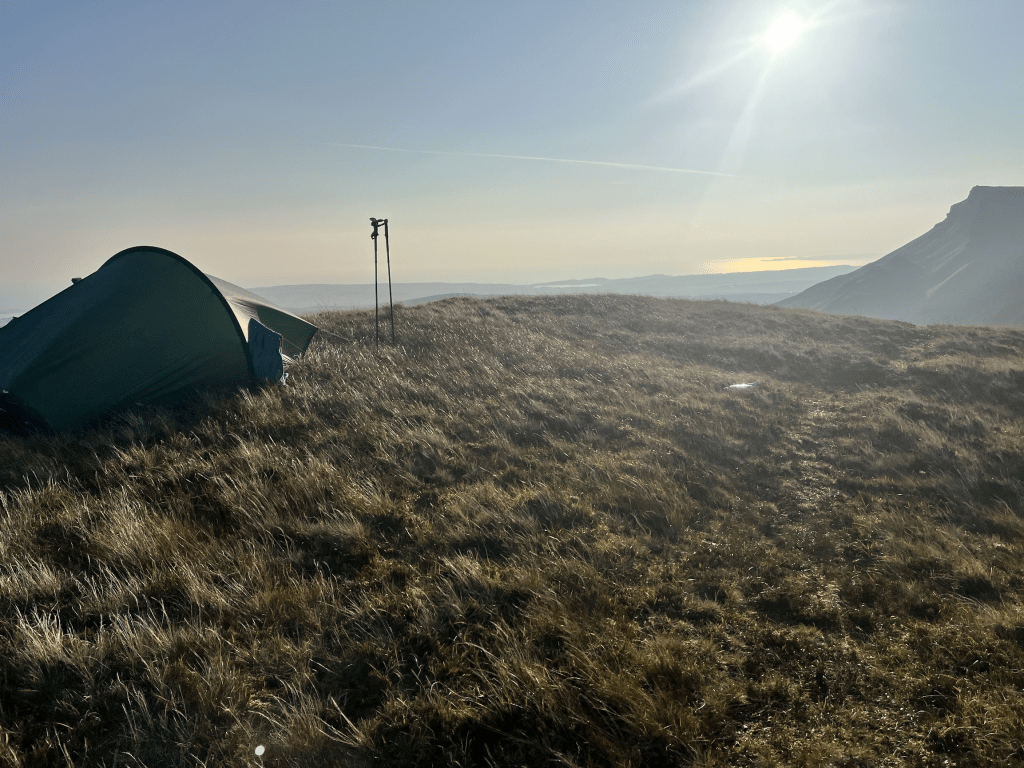
The best camp I’ve had in the UK was at the Northern end of the Trotternish ridge. Despite by tent door breaking, the views across the rest of Skye and the sea beyond were stunning, combined with the comforting knowledge that I had just a short 20km day tomorrow to reach the finish. What a spot, and what an excellent place to spend a night.

Favourite Routes

The Pause

Belaying Smith on the Crux

A route with a reputation for being serious and dangerous, I was slightly nervous as we drove in to Glen Etive. My nerves were calmed by the knowlege that we had been trained well in the ways of Granite Slab in the Adamello, and this training did not let us down. The climbing proved inspiring, joyus, and technical but never excessively difficult. The gear as well was better than expected. Generally, the consequence only being a long but safe fall down the slab. There was a notable exception on the third (guidebook fourth) pitch, where a top end 5a/low end 5b section on a slab would factor two the belay, but convienintly a well placed granite edge would cut the rope first! Not a place for a nervous lead (but it isn’t as bad as it sounds on paper but it does require a confident approach to avoid issues!).

The Corner of Friendship

A fine day out with the best pitch of climbing I’ve done this year: a beautiful, extremely technical corner masterfully led by Smith! The summit had this awesome chimney section which was exhilarating, and we enjoyed a fanta each once we made it down at Rifugio Corinisello. A fine day out!

The Ferhman-Smith

A line so obvious only an idiot wouldn’t want to climb it. Excellent if traditional climbing, which paled in comparison to the good chat and adventurous nature of the day. A real treat, only slightly spoiled by the price of the taxi home at the end of the day!
Guiffra-Monaci

Beautiful golden granite, climbing so good it made my heart hurt and in a place so stunning it’s hard to describe. What a fantastic day!

The Message

I have a hard time with talking myself out of doing harder routes, and I nearly did this with the Message. Surely it was too hard for a warm up? Surely I would have a bad time? Alas, I pushed through the fear and had a beautiful time on the route, even thinking back to it as I write this, the quality of some of the climbing makes me grin from ear to ear. A brilliant day out!

The Backpacking Revolution

For the past two years, my trips were defined by climbing, but this year, some time without a climbing partner made me revisit my routes and go long-distance backpacking once again, and my-oh-my, I forgot how much I enjoyed it! I will always love climbing, but there is something uniquely special about the simplicity of a long walk in the mountains and the serenity that comes from spending night after night away from civilisation. In climbing, as in life, you have so many choices to make, and with making choices always comes an element of stress. On a long distance trail, life is made simple, and small pleasures like a cup of tea or a bar of chocolate bring more joy than can be described. The week I had around the Adamello, and the peace I found in the last few days (particularly around Val di San Valentino and Val di Fumo) is something I think back to without fail every day.

This swim was for me, the best mountain moment of the year!

What’s next? I’ve got some long walks planned in 2025, the Cape Wrath Trail, and perhaps a circuit of the Ortler range in the Alps. I’ve got many routes I wish to climb in Scotland and especially the Brenta, and so many places I want to camp. Above all else, I’ll need to start doing some saving: I’ve got some extremely long walks planned after I graduate, which I’m looking forward to immensely.

Winter Perfection on the Anoach Eagach

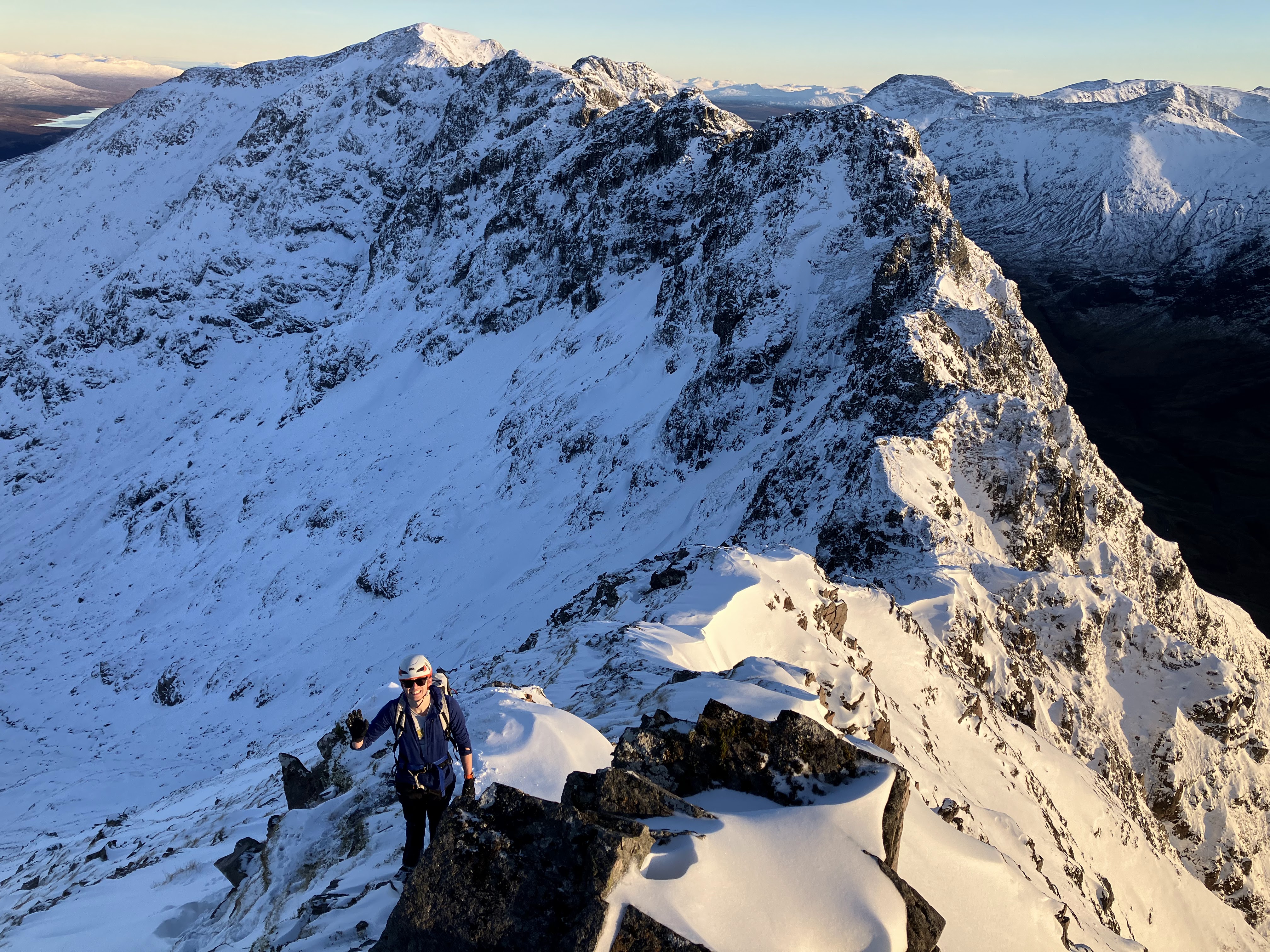
I don’t think this day needs very many words to sum it up. A 4* Classic mountaineering ridge, on a blue bird day in the middle of exam season with a bunch of good mates. Is there a better way to spend a Monday?

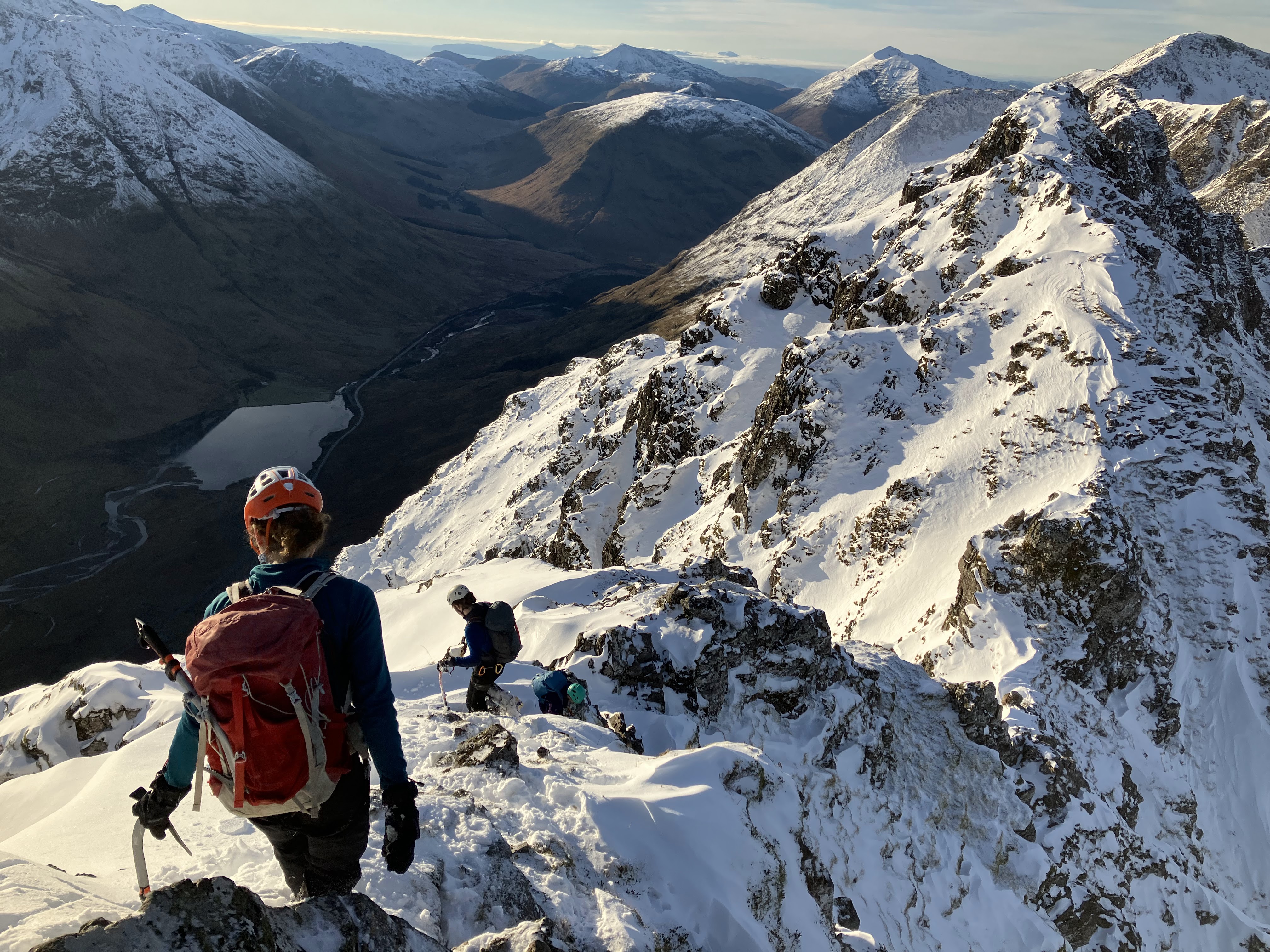
Descending from Am Bodach

The alarms were set early – a long drive to Glencoe ensued, but by 9:30, we were setting off on the long slog up to the summit from Am Bodach.

The first section of technical ground you encounter is a short downclimb of Am Bodach. Robbie downclimbed it – but advised that it was a bit fiddly and it would probably be quicker if we did a short abseil. A small amount of rope faff later and we were down at the start of the first section of the ridge.

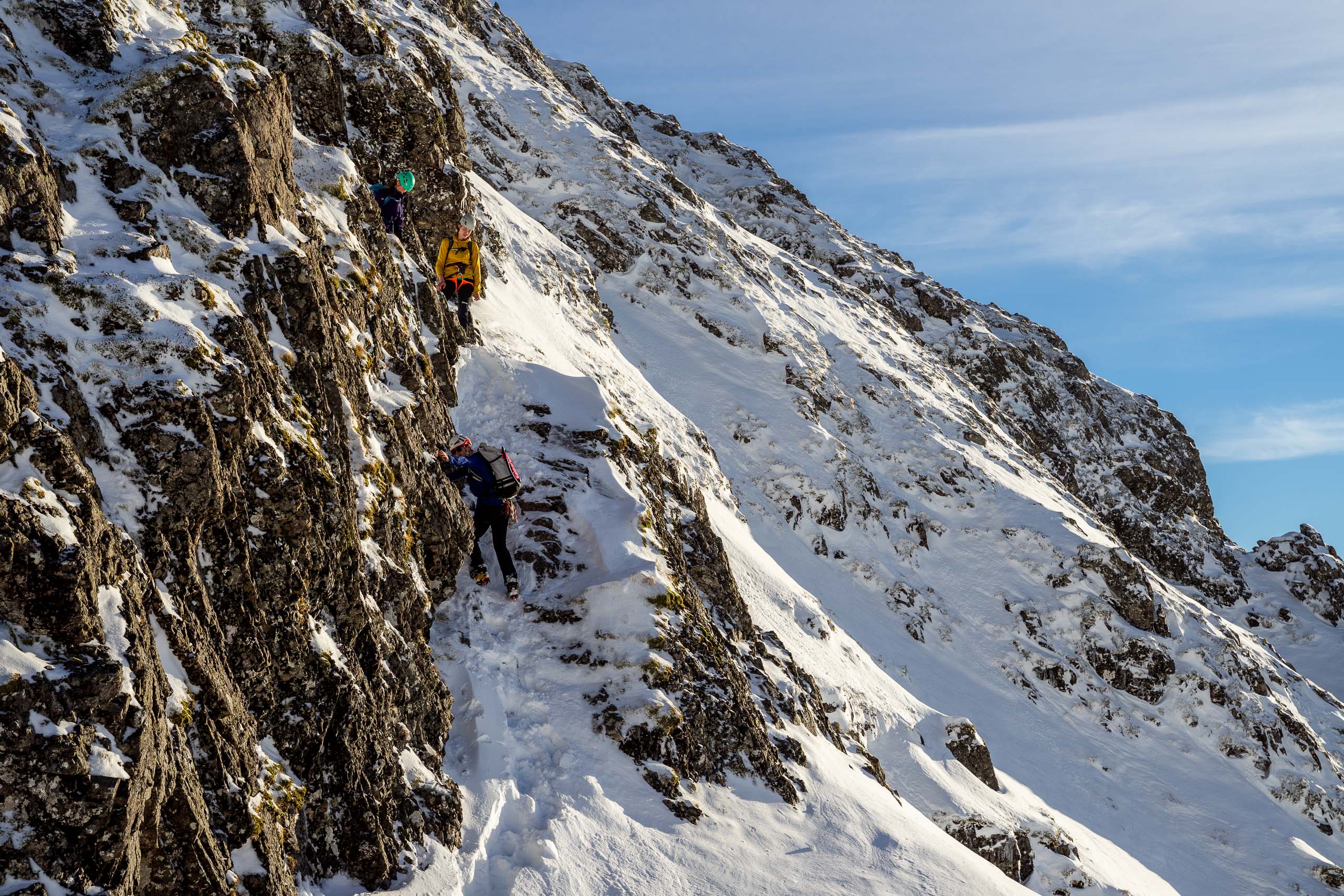
The Awkward Slab

An awkward slab proved the first section of proper scrambling – whilst looking deceptively straightforward, in these conditions, the snow was very unconsolidated which made life more difficult. Nevertheless, we all made it down safely, and sunglasses were put on! What a treat

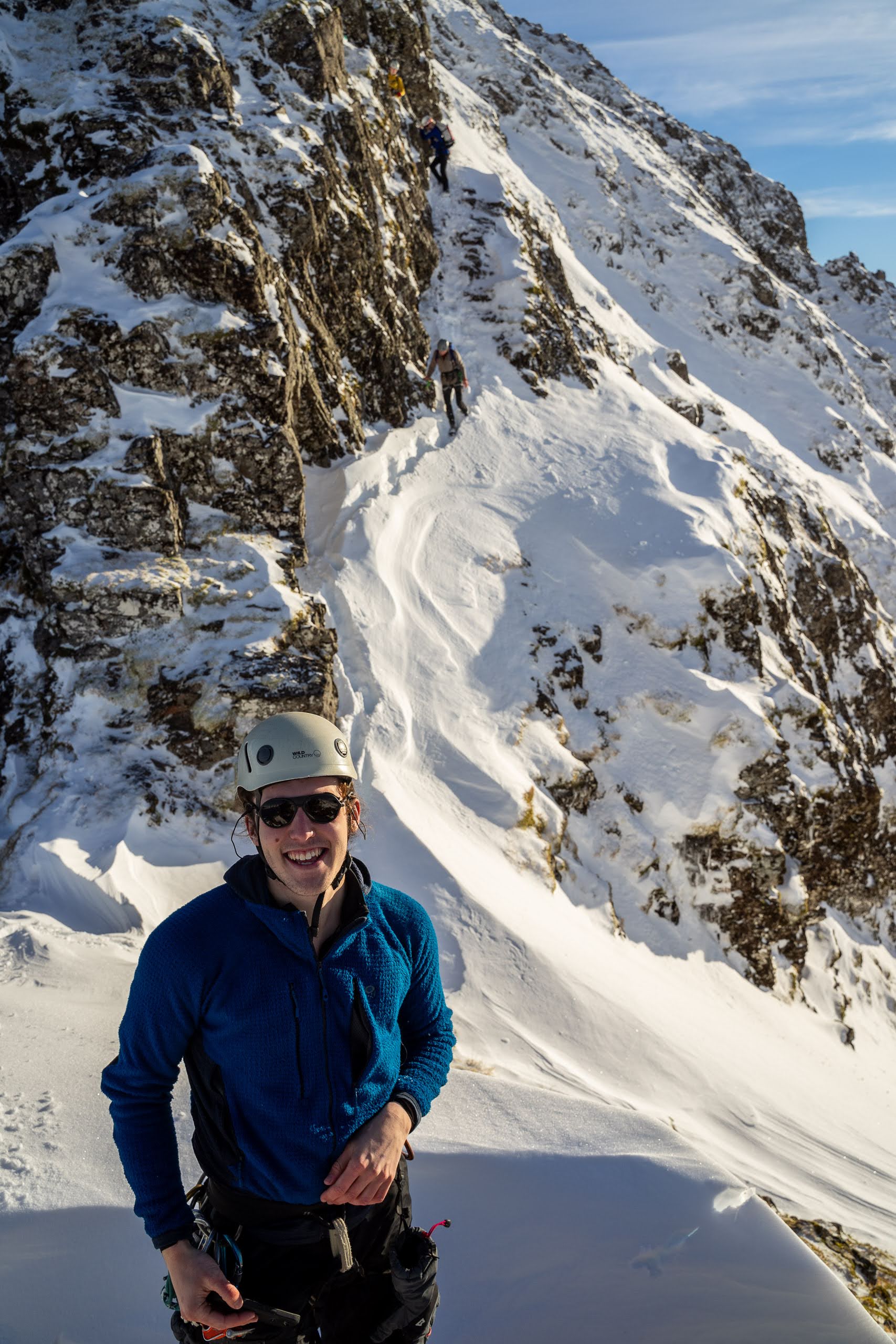
The ridge continued in a straightforward but beautiful manner until we reached the pinnacles. These were engaging, exciting, and exposed, with several moves of interest! We all felt comfortable soloing the ground – but we avoided any route-finding errors that would quickly bring you onto serious ground. Doing this without at least a rope in the backpack in case a retreat is needed would be foolhardy for most.

Looking back after the pinnacles. What a day!

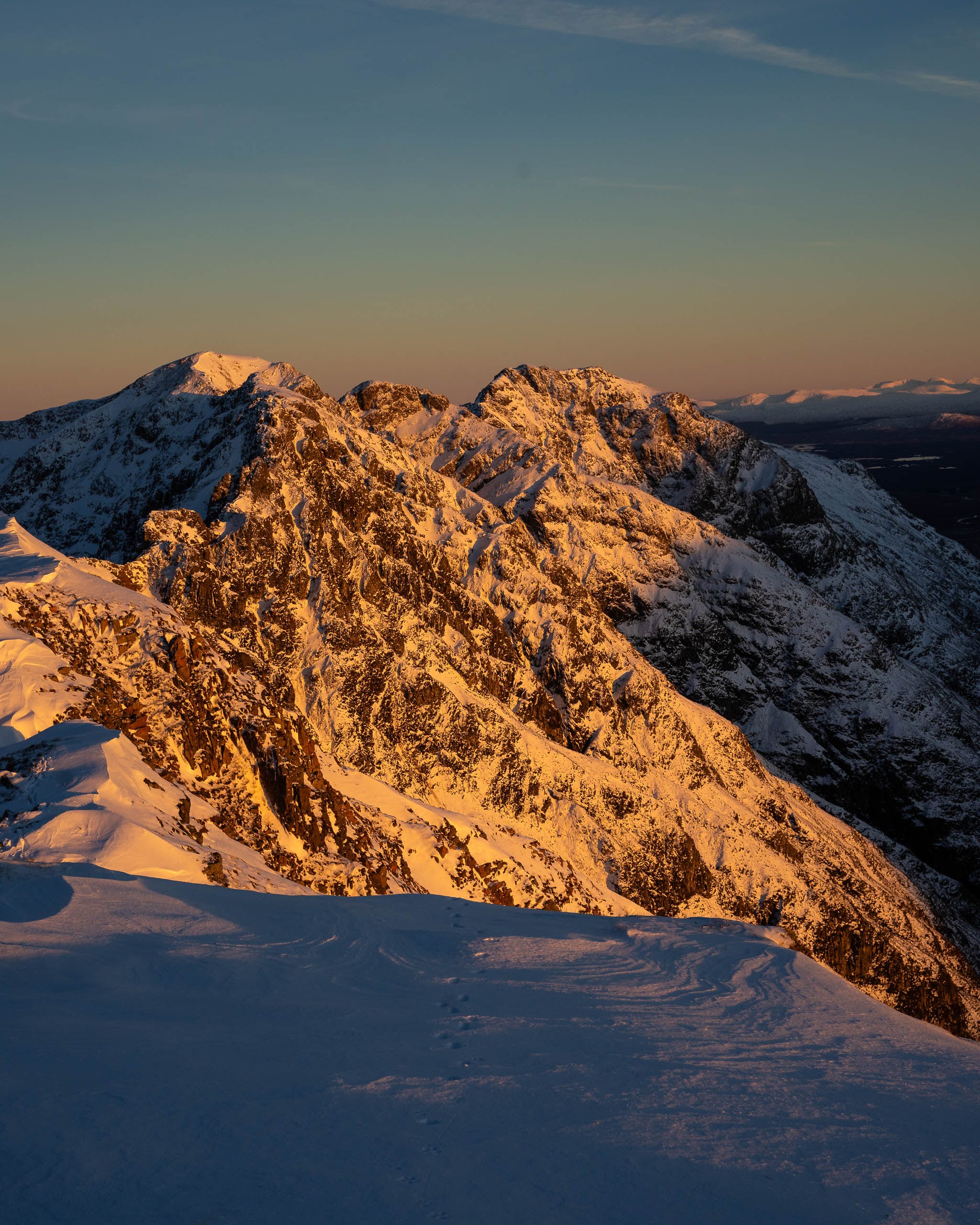
We then had lunch watching the sun setting over the distant sea. It was just 2:30 and already hues of gold and orange spread across the landscape.

Then, we made the push to the final Munro, where we had a short rest and them made the rapid descent down to the Clachaig (which alas was shut).

A stop for a burger and chips on the way home was well deserved, and we were back in Edinburgh for 9pm. The day was pretty damn close to perfect – and a real treat when everyone else was slogging through practice papers in the library!

The Message

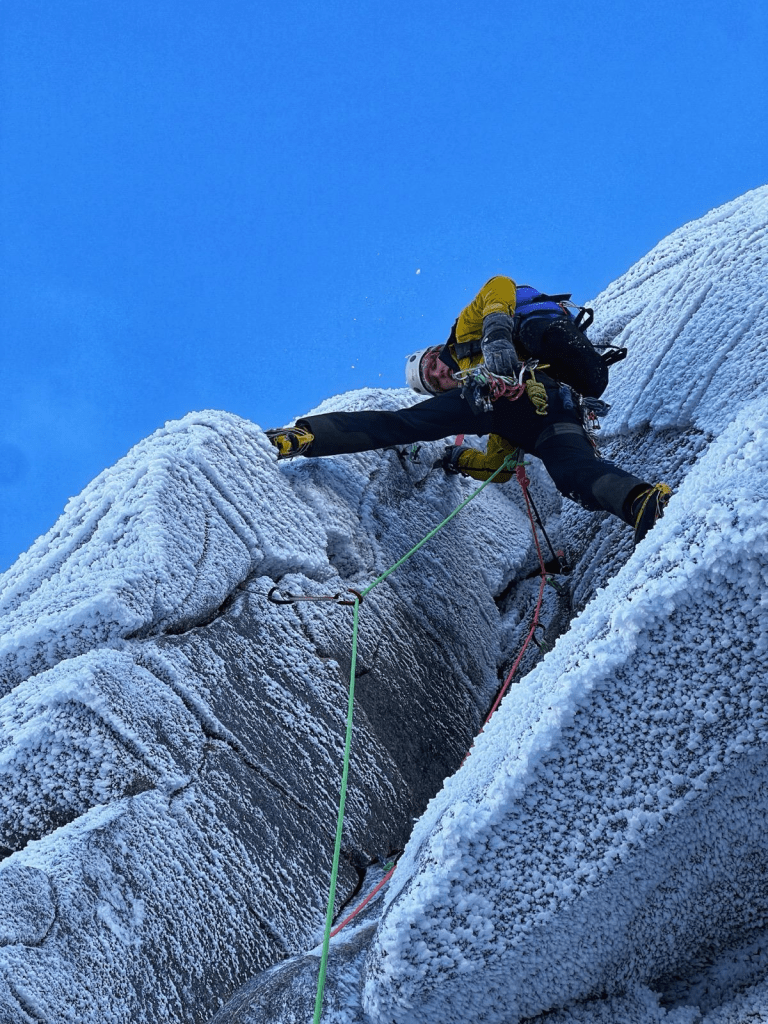
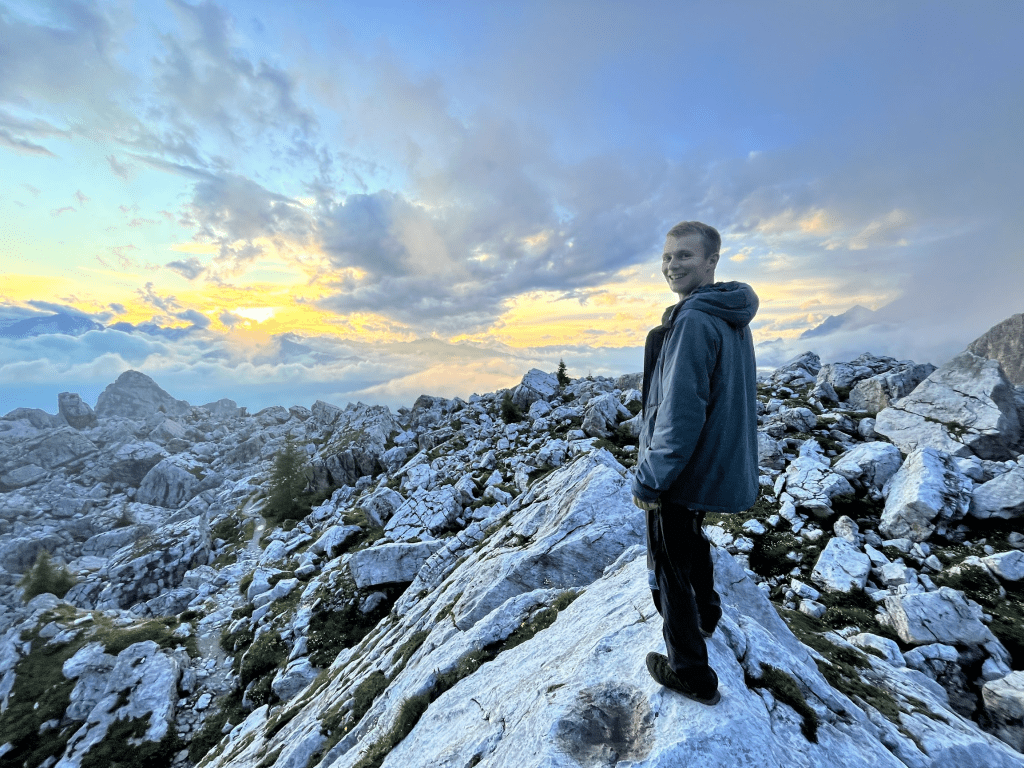
Early season conditions, skipping uni, and an utterly brilliant mixed climb on a sunny day – is there a better way to enjoy life? The Message is a route I’ve had on my radar for a while – it looked spectacular, but rather difficult for me, and I was always a little nervous to get on it. Upon getting some beta from some friends (both very strong winter climbers), they advised me not loads else would be in good nick, and that the gear was very good. I. knew I was unlikely to fall – but I also knew I might choose to back off. I decided to give it a go – given the quality of the gear, if it stopped being fun, I could just abseil off for the price of a train ticket (we got the free bus, as usual!).
Snechy.

The day started with an inconvenience – the bus did not go all the way to the ski centre, so we hopped off at Glenmore and got an amazingly quick hitch to the car park. A short walk in, relishing the sun, followed.

Upon reaching the base of the route – I set off on the first pitch. An initial turfy section lead to an engaging and three-dimensional chimney, involving hooking blondly round a corner, stepping up, and then sitting down beneath an overhang – a series of moves only mixed climbing could offer! I could not stop smiling – the combination of positive hooks, and satisfying movement is pure joy.

I brought Milo up, and we both agreed that it had been an engaging pitch. The next pitch looked far more difficult. First, we had to overcome an initial corner which looked awfully delicate, followed by some thin slab climbing above.
The initial corner proved technically beautiful. I placed a perfect offset, before using thin feet and hooks to eventually bring a knee over the lip and mantle over – what an excellent section! The thin slab above proved engaging, first relying on laybacking a torqued axe to reach a resting point, afterwhich a step out to the right gave way to some shallow peg protected hooks with poor feet – I was wishing for monopoints!

The crux pitch was next – and I was nervous – but it proved straightforward (I found it easier than the previous pitch in these conditions). I established myself in the corner on good feet, before standing there perplexed – the feet vanished and good hooks above did not immediately appear. I placed a couple of pieces of gear, and after some conversation confirming I was indeed going up the right way, I launched upwards – standing on small crystals of granite.

About to commit to the crux move!

Thump – a hook of dreams! A series of superbly positive hooks followed, enabling for progress up the groove despite the poor feet. What an excellent section of climbing!

The final corner – stepping out left here on good hooks

The final pitch too – was joyus. An initial layback on a torqued axe gave way to a move of interest stepping round the corner. I grinned – the gear was good and the climbing was superb – I topped out grinning cheek to cheek and brought Milo up. What an excellent route and start to the season!

More layers than Michelin Man – an excellent start to the season!

The Ferhman Smith Route – A Jolly Fine Outing

To climbers, corners are immensely appealing: they provide joyous movement, excellent rests, and straightforward route finding. Few things bring me as much joy as a grand corner in the high mountains – a natural and organic line to the top of a mountain, guarenteeing a climber a beautiful passage, full of joy and emotion.

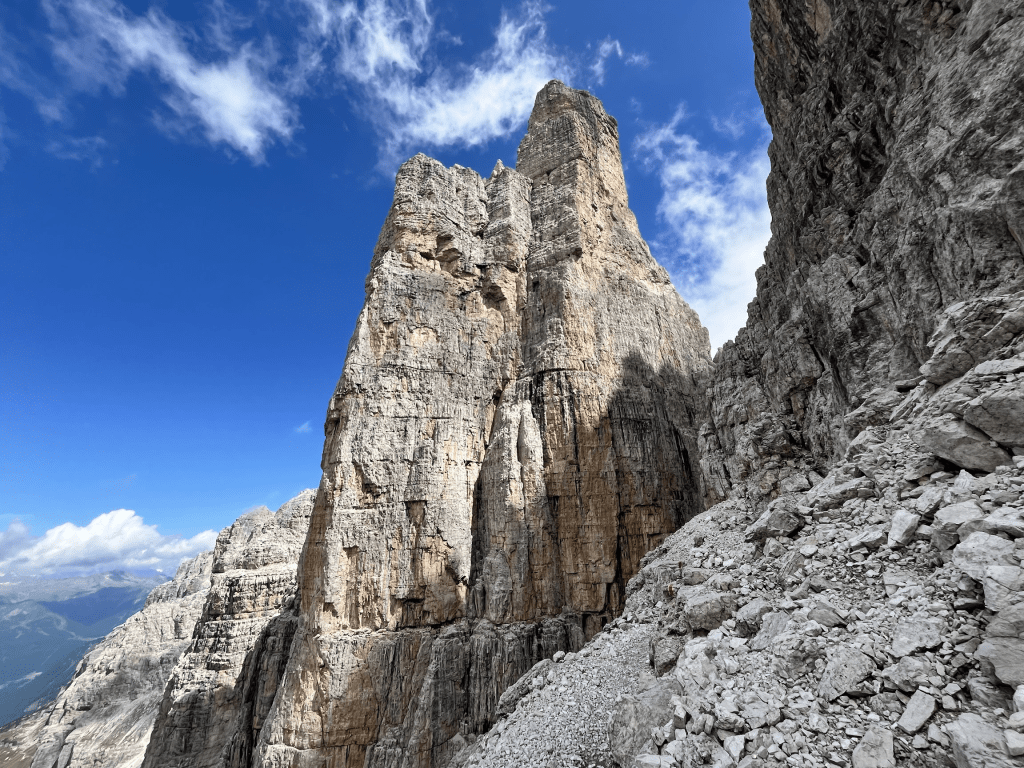
My view of the Basso from the Centrali – love at first sight. The prominent corner is the Ferhman Smith

And, of course, there is no finer corner then the Ferhman-Smith route on the Basso – a genuine King Line on a beautiful, elfin spire. A week before Noah and I climbed the route – I gazed at the wall for the first time from the Bochette Centralli – and I was enamoured with it’s scale and grandeour – it seemed like a paradise for the climber. Alpinists were littered across the wall – each one fully engauged with spectacular climbing.

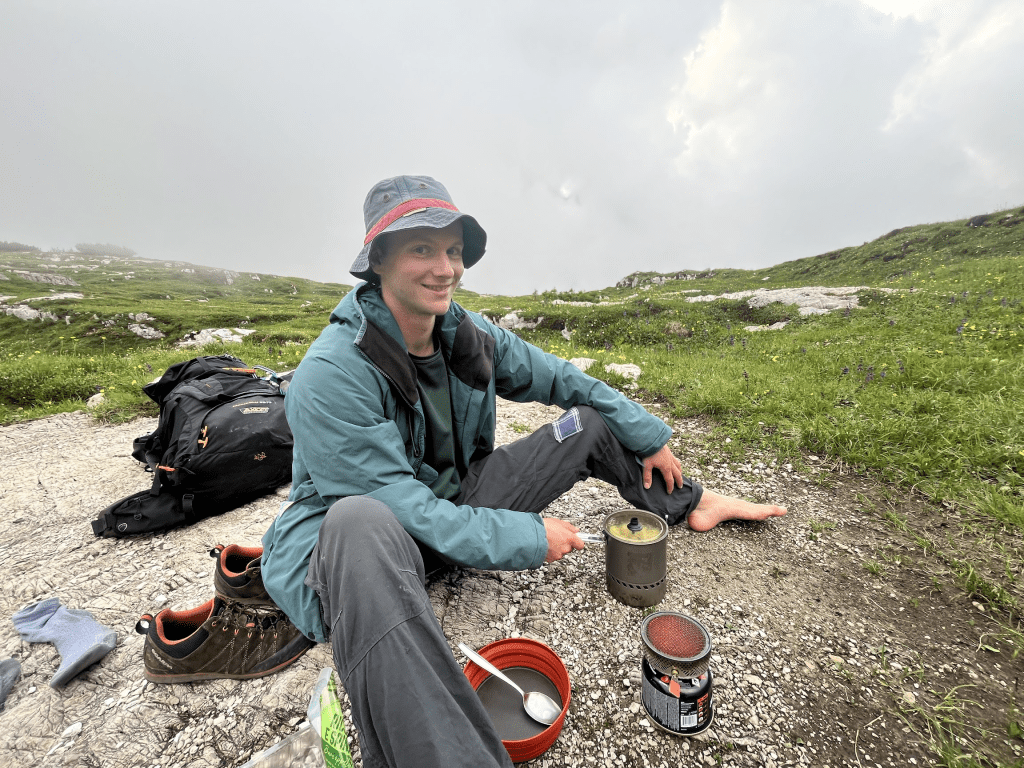
Noah (Aka Smith) – a fine climbing partner. Cooking pasta before our climb tomorrow

Noah – being a man of taste – was not difficult to persuade. We set off for two days in the Brenta, the first day climbing the stunning Alimonta-Vidi on the Castello Inferiore – a beautiful and direct line following corners and cracks to the summit of the peak. After a brief rest in the Tuckett Rifugio – we strode across to Rifugio Brentei and spent a pleasant evening on the grassy pleateau below the Rifugio. Sadly, a thick fog shrouded the view of the Crozzion di Brenta. This saddened me – whilst I had spent many hours gazing at this behemouth, Noah had never seen it, and I felt it was a real shame that he did not get the opportunity to admire the beautiful peak. After a delicious dinner, we drifted off to sleep.

It was not so easy to wake up that morning…

The alarm sounded early, and by 7:30, we were at the base of the climb. The fog meant the rock was damp, and immediately, the difficulties, although not significant, were a little harder than anticpated. The climbing was traditional in nature – modern rock shoes did not give us much of an advantage over the great pioneers – Rudolf Ferhman and Oliver Smith. As we traced their line – we could not help but be struck with immense admiration for their efforts. To climb at this standard, protected only by a handful of pitons and a hemp rope around your waist is an immense achievement – yes, modern feats of acrobatics performed by the likes of Ondra are impressive, but the pioneers of the past had something more. The immense determination and courage with which they climbed is obvious to anyone, but what struck me is the deep love and passion for the mountains these men had – a genuine inspiration to any and all climbers.

Noah on lead – high on the Basso. A beautiful pitch of climbing

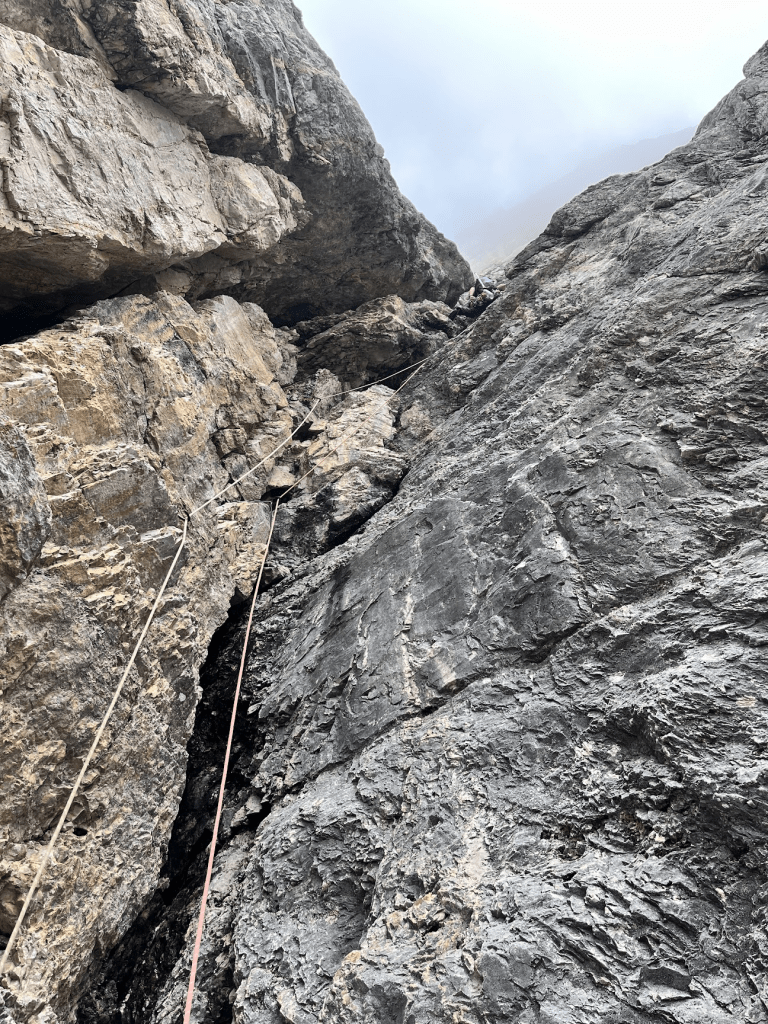
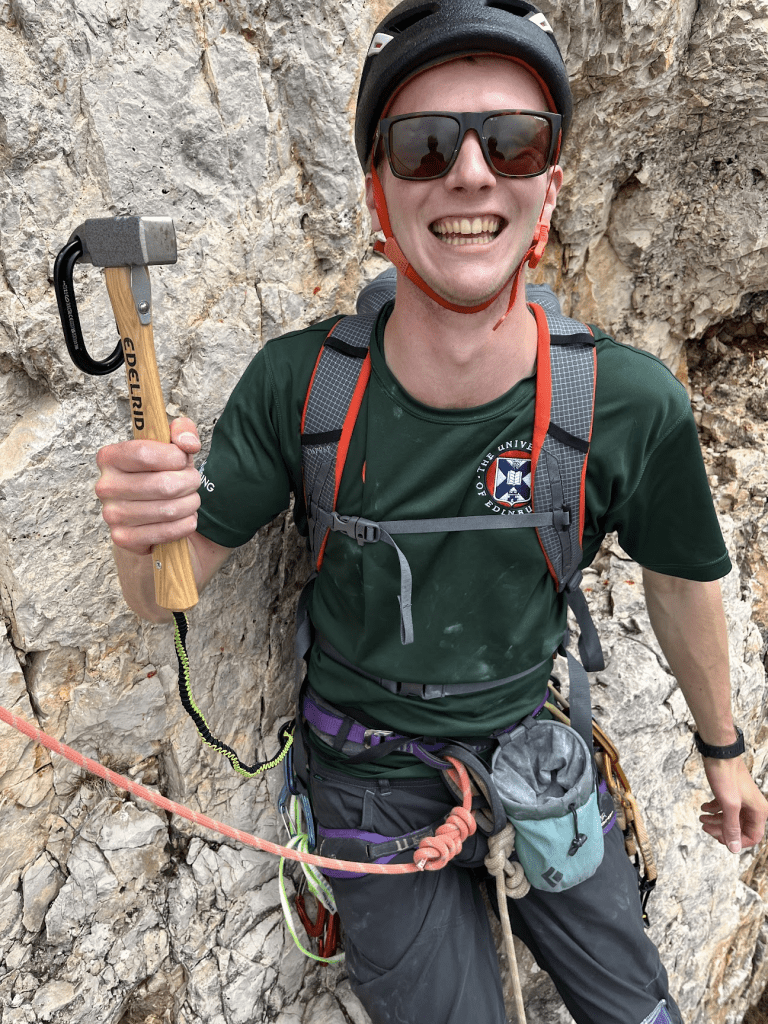
The inital pitches to gain the corner were overcome quickly, but the crux pitch – a 45m corner with some wet passages proved to be difficult. I must admit I was rather gripped at times, finding the climbing thrutchy and insecure, and to my dismay, the pitons were not as abundent as I had been led to believe. Luckily – we had brought a fairly comfortable rack in classic British style – about one and a half sets of nuts and a few doubled cams. This enabled me to protect the pitch excellently, and overcome the difficulties with a sigh of relief. We did not bring pitons – but decided to take the hammer – all belays were on pegs and we deemed it wise to test them…

Pegging!

The route continued up the corner until eventually, we reached a prominent belay. I had made the error of stopping about 7m early, seeing three pitons and assuming that it was the belay. This left Noah a long and engaging pitch. Sadly, whilst leading, I heard the clatter of metal…

‘Shit ROCK!’ Noah cried down, but from the metallic clanging, I knew it was no rock. A flash of green passed by, and I realised Noah had dropped a green totem – one of the most expensive items on our rack. It landed on a ledge about thirty metres below me – just out of reach. A great shame for Noah’s wallet and a lesson learned on the dangers of yosemite racking expensive items of kit!

I followed, and we swung leads happily until we reached the penultimate pitches. Here, you leave the corner and experience the very best of Dolomite climbing. The steep juggy rock enables one to freely move wherever you please, without the hinderance of following any feature. Provided you are comfortable with spaced gear, it was joyus and enticing climbing. I marvelled at the exposure and enjoyed the blissful movement over the rock.

Noah led the final pitch to the Stradone Provinciale – the upper terrace of the Basso. We had lunch here and decided to descend rather than carrying on to the top – time was a little tight as we knew we had to return to Patascoss that evening, or face an expensive meal from the rifugio. The descent is straightforward – the local guides have done an excellent job at equipping it, although we did get one stuck rope. It was straightforward to retrieve, but did require reascending a small portion of the normal route.

We reached the Bochette Centrali – and to my dismay, our route was shrouded by cloud. I had wanted Noah to experience the beauty of the face as I had the week before – but instead he only saw the mirky path ten metres ahead before everything became shrouded in cloud. We reached the rifugio and eventually Vallesinella, from where we called a taxi to take us home (which was absolutely extortionately expensive).

Noah on the final abseil – happy.

Overall, this was a great day in the mountains with a good friend. The route was full of emotion: visceral joy, fear, awe, and love. It was a great shame not to reach the summit – but I know I will spend many more days on the Basso in the future – for nobody with any love for the mountains could deny themselves the bliss of climbing on this peak.

Noah the next day – reliving the climb at the Cafe.

Climbing in the Presanella – My Thoughts

British climbers are like sheep. They mostly all flock to the same places each summer – Chamonix, Sass, Ailfroide are all hotspots for Brits – and I daresay there is such an excess of them it’s easy to forget you are actually abroad. It’s true that all of these places have excellent climbing, with stunning routes in exciting positions, but the crowds, especially around Chamonix, are offputting to any climber with a soul. Of the esoteric alpine areas, the Presanella group marks as one of the more esoteric – until a few years ago there was no guidebook, and even now there are few online resources. This, in my eyes, is a great shame. It is an excellent location to go climbing, with outstanding quality rock and absolutely zero crowds. Even shorter routes are full of character, and the locals equipping the routes do so with outstanding style, often only bolting when absolutely necessary.

At the top of the Corner of Friendship

It must be said – the walk-ins are undoubtedly longer than Chamonix (this isn’t the South Face of the Midi), and as the routes have very little traffic, they are at times dirty. There is a minimum of fixed gear and very little information on routes available online – in short – it’s harder work than other areas in the Alps – but this is it’s greatest strength. Lazy folk will go elsewhere, leaving dedicated mountain lovers peace and quiet on one of the wildest and greatest mountain ranges in the Alps.

Guidebooks and Transport

Transport around the Presanella and Brenta is straightforward: although there is a bus leading to several hubs (Val di Genova, Pinzolo, Maddona di Campiglio), the climbing in Val Nambrone and Val d’Amola requires a car for access. This being said: Noah and I didn’t have a car, and always got hitches quickly and efficiently.

There is only one guidebook (at least that I’m aware of), and it is an excellent one. ‘Climbing in the Presanella’ by Francesco Salvaterra provides detailed and accurate route description. Climbers should become comfortable reading line topos as both in the Presanella and in the Brenta, this is the preference and I’d warn that the grades felt a little stiffer than Chamonix, although the protection rating system (R1, R2, R3) felt a little more forgiving.

Wild camping is banned, but seems to be tolerated as long as you are respectful and sensible. There are bears in the national park – we took no precautions to stow food away from the tent, but I’d commend all future visitors to seek proper guidance on the correct practice. There are also several Malga which are left unlocked – essentially acting as bothies.

Rack and Equipment

Being granitic rock, the Tonalite has a preference towards cams. We felt doubling up the middle sizes was a helpful asset in reducing how bold the routes felt. A minimalist rack of nuts would be wise to bring – smaller sizes often protect section that would otherwise be a little spooky, and on some routes, they could be forgone all together.

The belays are usually bolted – but the style of the bolting is at times a little unusual. One route in particular had just one (new and shiny) bolt at each belay without the opportunity to back it up – a worn bolt here could make the route unclimbable. Some abseils were just on one bolt too. Generally, there is a description of the belays on each route, if only one bolt is described, then don’t expect to be able to back it up.

Pitons are used a fair amount – a hammer could be a useful asset to assess their integrity, but we felt it superfluous to carry pitons in hindsight (although it did make us feel rather cool).

Accommodation

For Val Gabbilo – there is no accommodation aside from under the stars – Val d’Amola and Val Nambrone are luckily better equipped.

Rifugio Segantini provides a comfortable base. The staff are kind and friendly and the views are superb. The area around the Rifugio is grassy and setting up a tent would be straightforward.

The view from Rifugio Segantini

Many folk will chose to day trip the routes in Val Nambrone, but to those of us who do not have the luxury of a car, this is not possible. Luckily, the small Malga Cornisello hut is sort of like an Italian Bothy and provides accommodation to those who are not keen to sleep under the stars.

In both locations, we never filtered any water and had no issues. There are some livestock around, so those not used to drinking mountain water may be advised to bring some means of purification.

Now, onto some route suggestions

Diedro Dell’Amicizia

A beautiful name for a beautiful route—both Noah and I thought P7 especially was excellent. Lower down, the rock is loose and at times vegetated —care is required. Grade wise – we both thought the 6a+ crux pitch felt like steady E3 5c, lots of 5c moves but fairly well protected, and it felt substantially harder than other 6a+ routes we climbed in the area.

Sentiero dei Collibri

A beautiful route, with sustained difficulties at V-V+. The short 6c+ corner is easily aided on in-situ pegs, and we both thought this was an excellent route. I’d warn future ascensionists that the belays are just on one new bolt. As of August 2024, these bolts are in excellent condition, but there is no opportunity to back some of them up. Care may be required in the future.

Circolo dei Mongoli
An excellent crack climb, although we both felt that the grades of 6b+ and 6b for the first pitches were a little generous, and both agreed that the crux of the Corner of Friendship was far harder! The gear is good.